

Google AI search for agency websites: what to fix first
Google’s guidance is refreshingly simple: there is no secret AI-search markup. Make your agency site crawlable, useful, clear, and easy for people and systems to understand.
On this page
Every few months, someone sells agencies a new acronym for appearing in AI search. The useful part of Google’s current guidance is less dramatic: there is no secret AI-search markup that replaces good site fundamentals.
Google’s guide to AI features and your website says the same SEO best practices remain relevant for AI Overviews and AI Mode. A page must be indexed and eligible to appear in Search, and the content still needs to be helpful, reliable, and made for people.
That is good news for agencies. It means the work you do to make a service page useful to a real prospect also makes it easier for search systems to understand.
Fix crawlability before cleverness
Make sure important pages are discoverable through links, allowed in `robots.txt`, and not blocked by accidental noindex rules or infrastructure. Search Console is the place to check whether Google can access and index the page.
Do not hide the core answer in a video, an image, a carousel, or a client-side interaction. Rich media can help, but the important claim, service definition, price range, process, and proof should have a readable text version.
Write one clear page for one real question
An agency service page should answer the questions a buyer actually has:
- Is this service for a situation like mine?
- What does the agency do, and what does the client provide?
- What is the process and how long does it usually take?
- What will I receive at the end?
- What does it cost or what determines the cost?
- What happens if the scope changes?
- Why should I trust this team?
That is not “writing for a robot.” It is removing the fog that makes a page hard for any reader to use.
Make claims easy to verify
Replace “we deliver exceptional results” with the evidence that makes the statement meaningful: the type of work, the context, the constraint, the outcome, and the client’s words when you have permission to use them.
Keep the page specific. A paragraph that could describe every agency in the category gives a search system little reason to select it and gives a buyer little reason to remember it.
Use structure that matches the page
Use headings for sections, lists for sets of items, tables for comparisons, and descriptive link text for next steps. Keep the visible page and any structured data aligned. Do not add schema fields that the visitor cannot find on the page.
Organization structured data can help Google understand administrative details and disambiguate an organization, but it is not a substitute for a clear About page, consistent business information, or useful service content. Google’s Organization structured data documentation explains the role and limits of the markup.
Build a useful internal link path
Connect the page to the next helpful page: a relevant case study, delivery guide, template, or contact path. If the service page is a dead end, it is harder for a person—and a crawler—to understand how it fits into the site.
Link from related articles using the phrase that describes the destination. “Read more” is less useful than “see the agency’s client reporting process.”
Measure the right thing
Do not judge AI-search work by impressions alone. Watch the pages that earn qualified visits, the queries that lead to conversations, the links people follow, and whether the page still answers the visitor’s question after a search interface changes.
Google also notes that appearing in an AI feature is not guaranteed. Treat the guidance as a quality and discoverability checklist, not a promise of placement.
The simplest strategy is durable: make every important agency page easy to crawl, easy to quote accurately, and worth reading after the click.
Common questions.
Short answers to what people ask most about this topic.
Do agencies need special AI-search markup?
Google says there are no additional technical requirements or special schema needed to appear in AI Overviews or AI Mode. Normal Search eligibility and helpful, people-first content still matter.
What makes an agency page easier for AI search to understand?
Make the page crawlable, keep important information in text, use clear headings and internal links, support claims with useful detail, and ensure structured data matches the visible page.
Should an agency create an AI.txt file?
Google’s guidance says you do not need to create new machine-readable files or AI-specific markup to appear in its AI features. Focus on the page and the underlying SEO fundamentals first.
Change requests without the scope fight: a workflow that works
A change request is not a confrontation. It is a decision about outcome, scope, time, cost, and ownership. Use this workflow to make the trade-off visible before work starts.Organization structured data for agencies: what it actually does
Organization markup can help Google understand and disambiguate an agency, but it cannot repair a vague website. Here is what to mark up, where to place it, and what to fix first.How to build an agency brand kit that works across client deliverables
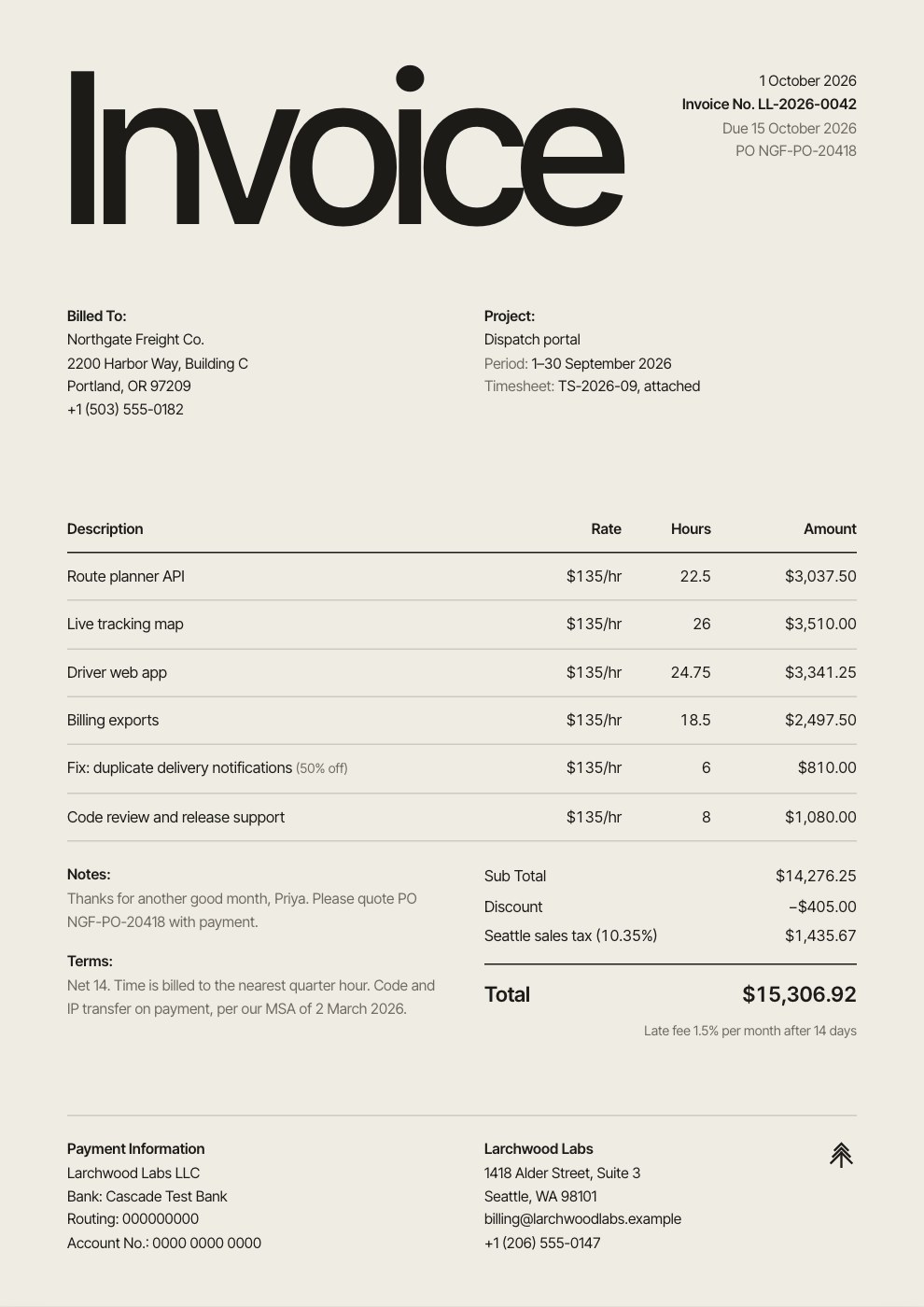
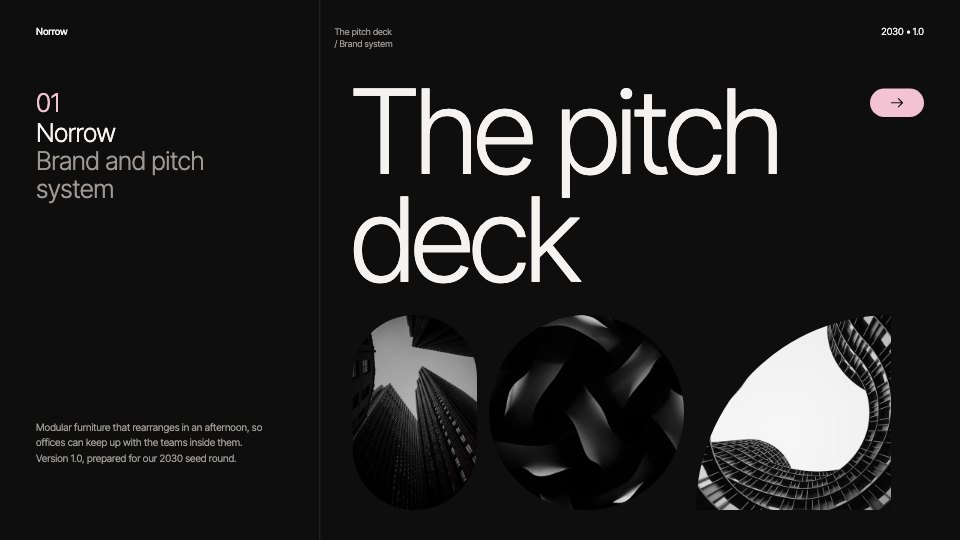
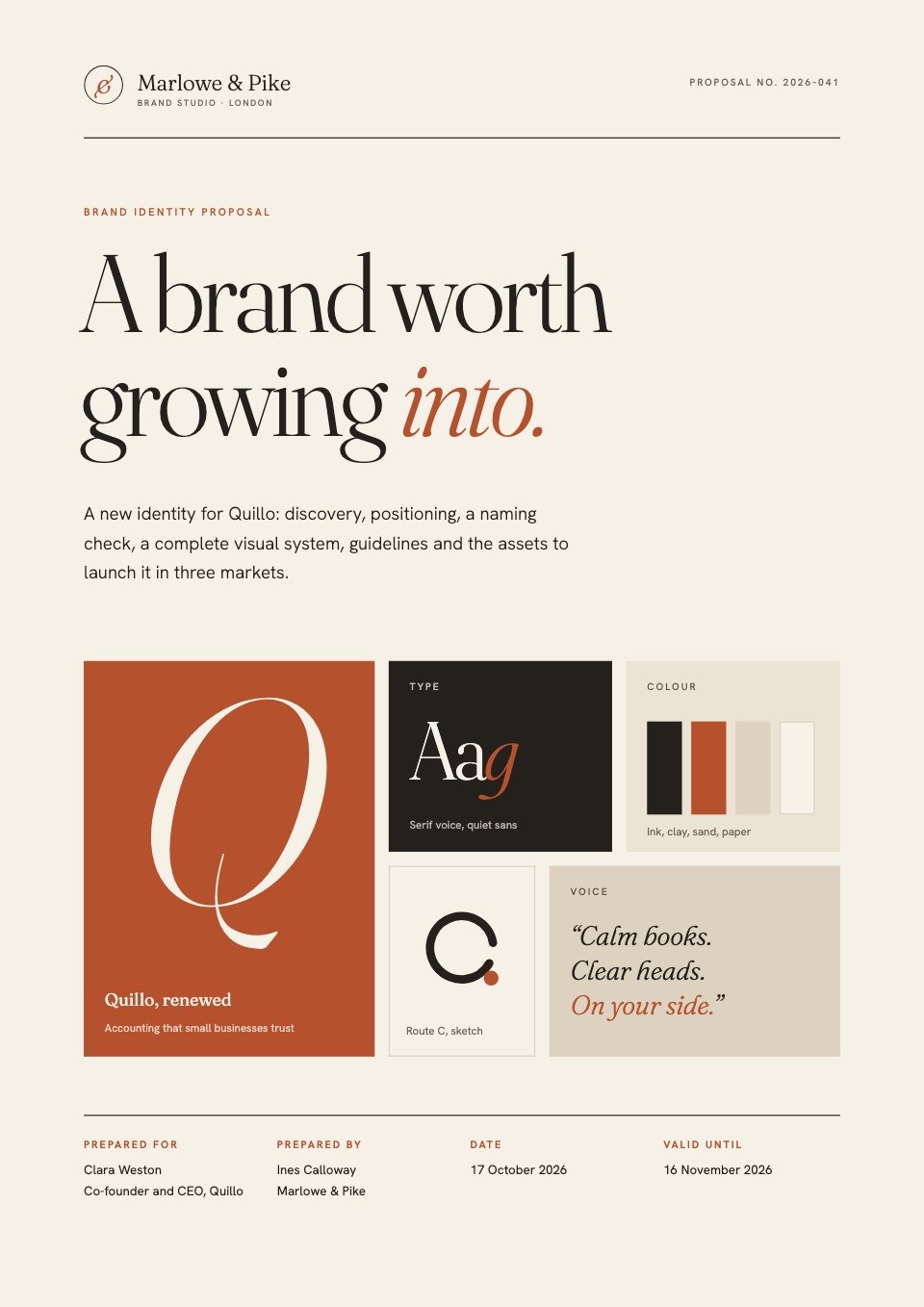
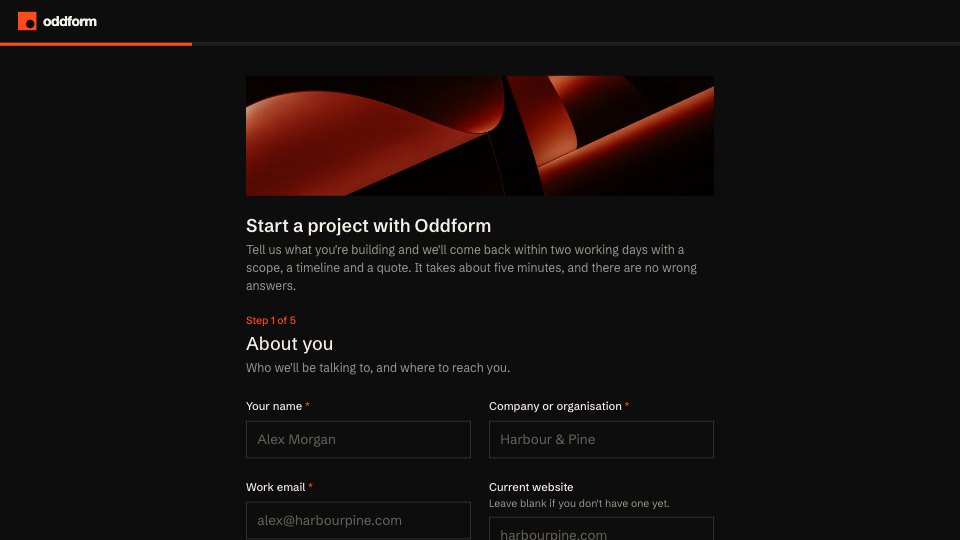
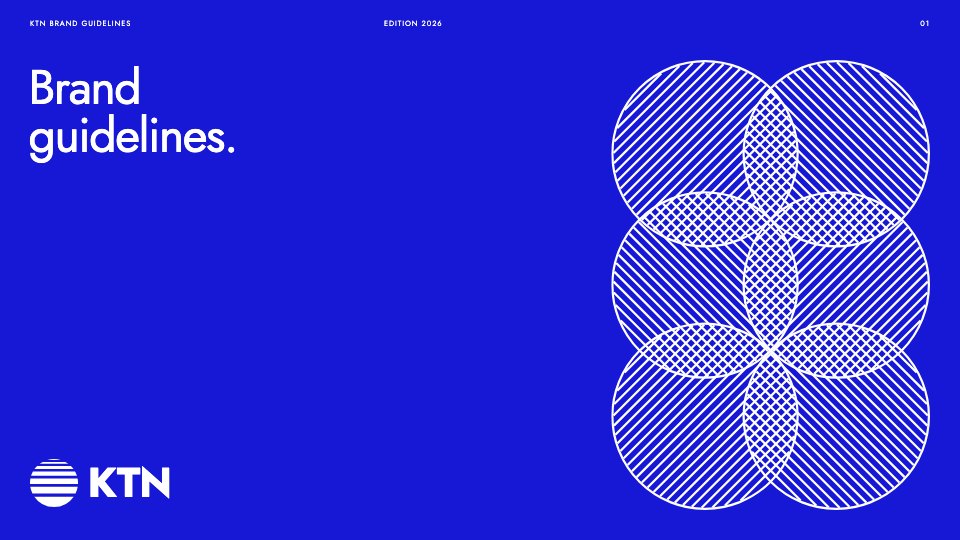
A useful agency brand kit is more than a logo folder. It gives your team practical rules for color, type, imagery, layout, and voice so proposals, reports, decks, contracts, and portals feel like one firm.










Put this into practice
Describe what you’re working on and Docsiv AI drafts it in your brand, ready to edit, share and send.