

Organization structured data for agencies: what it actually does
Organization markup can help Google understand and disambiguate an agency, but it cannot repair a vague website. Here is what to mark up, where to place it, and what to fix first.
On this page
Structured data is useful when it clarifies what a page already says. It is not a spell that turns a vague agency website into an authoritative one.
Google’s Organization structured data documentation says markup on a home page can help Google better understand an organization’s administrative details and disambiguate it from other organizations. Some properties may influence visual elements such as a logo or knowledge panel, but Google does not promise a particular display.
That makes Organization markup a small, sensible part of an agency site—not the whole SEO strategy.
Put identity on the page first
Before adding markup, make sure the visible site answers:
- What is the agency called?
- What does it do?
- Who is it for?
- Where is it based or how does it work?
- Which domain and social profiles belong to it?
- How can a prospect contact the real team?
Keep the name, logo, URL, and social profiles consistent across the home page, About page, footer, proposal links, and profiles you control. Structured data is stronger when it reflects a stable public identity.
Mark up facts you can defend
Use the properties relevant to the agency and that Google supports for the Organization type. Depending on the business, that may include the name, alternate name, URL, logo, description, telephone, address, same-as profiles, and identifiers.
Do not add a review score, award, location, or social profile because it sounds useful if the page does not support it. A smaller accurate graph is better than a large speculative one.
Match the visible text
If the markup says the agency is called “Northstar Studio” but the page title, footer, and logo say “Northstar Creative,” fix the identity before you fix the JSON-LD. If a logo has changed, update the page and the markup together.
The same rule applies to descriptions. Do not use structured data to claim services, locations, or credentials that a person cannot find on the site.
Use markup to support a clear site architecture
Organization data is about identity. Service pages should explain services. Case studies should show evidence. A contact page should show how to start. A blog should answer useful questions.
Link those pages together with descriptive anchors. This gives visitors and crawlers a path from “who are you?” to “can you help me?” to “what happens next?”
Test the implementation
Validate the markup, inspect the rendered page, and check Search Console for issues. Test after changing a domain, logo, site structure, or CMS template. A broken script or stale URL can silently make the data less useful.
Remember that structured data does not guarantee crawling, indexing, or a rich result. Google’s guidance for AI features makes the same broader point: there are no special AI files or magic markup that replace technical eligibility and helpful, people-first content.
The agency takeaway
Add Organization structured data when the site has a real, consistent identity to describe. Then spend the bigger effort on service pages with specific audiences, clear process, proof, pricing context, and an easy next step.
The markup should make a good site easier for systems to understand. It should not be asked to make an unclear site look more certain than it is.
Common questions.
Short answers to what people ask most about this topic.
What is Organization structured data?
It is machine-readable information that helps Google understand an organization’s identity and administrative details, such as its name, logo, URL, and relevant identifiers.
Does Organization schema guarantee a knowledge panel or rich result?
No. Google says structured data can help it understand an organization and may influence some visual elements, but display is not guaranteed.
What is the most common structured-data mistake?
Adding properties that are not supported by the visible page or that describe an organization inconsistently across the site. Keep the markup accurate, current, and aligned with what people can verify.
Change requests without the scope fight: a workflow that works
A change request is not a confrontation. It is a decision about outcome, scope, time, cost, and ownership. Use this workflow to make the trade-off visible before work starts.Google AI search for agency websites: what to fix first
Google’s guidance is refreshingly simple: there is no secret AI-search markup. Make your agency site crawlable, useful, clear, and easy for people and systems to understand.How to build an agency brand kit that works across client deliverables
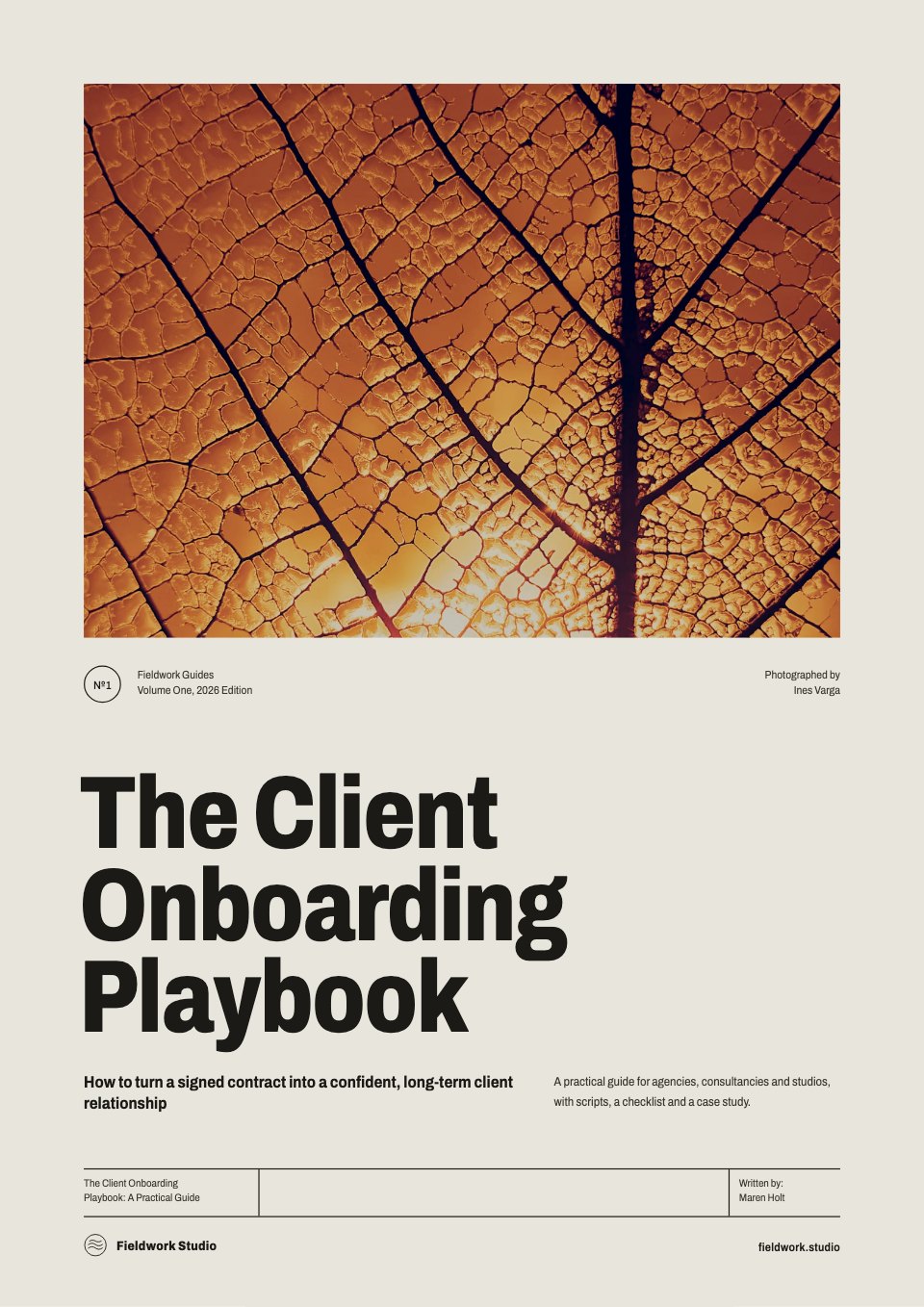
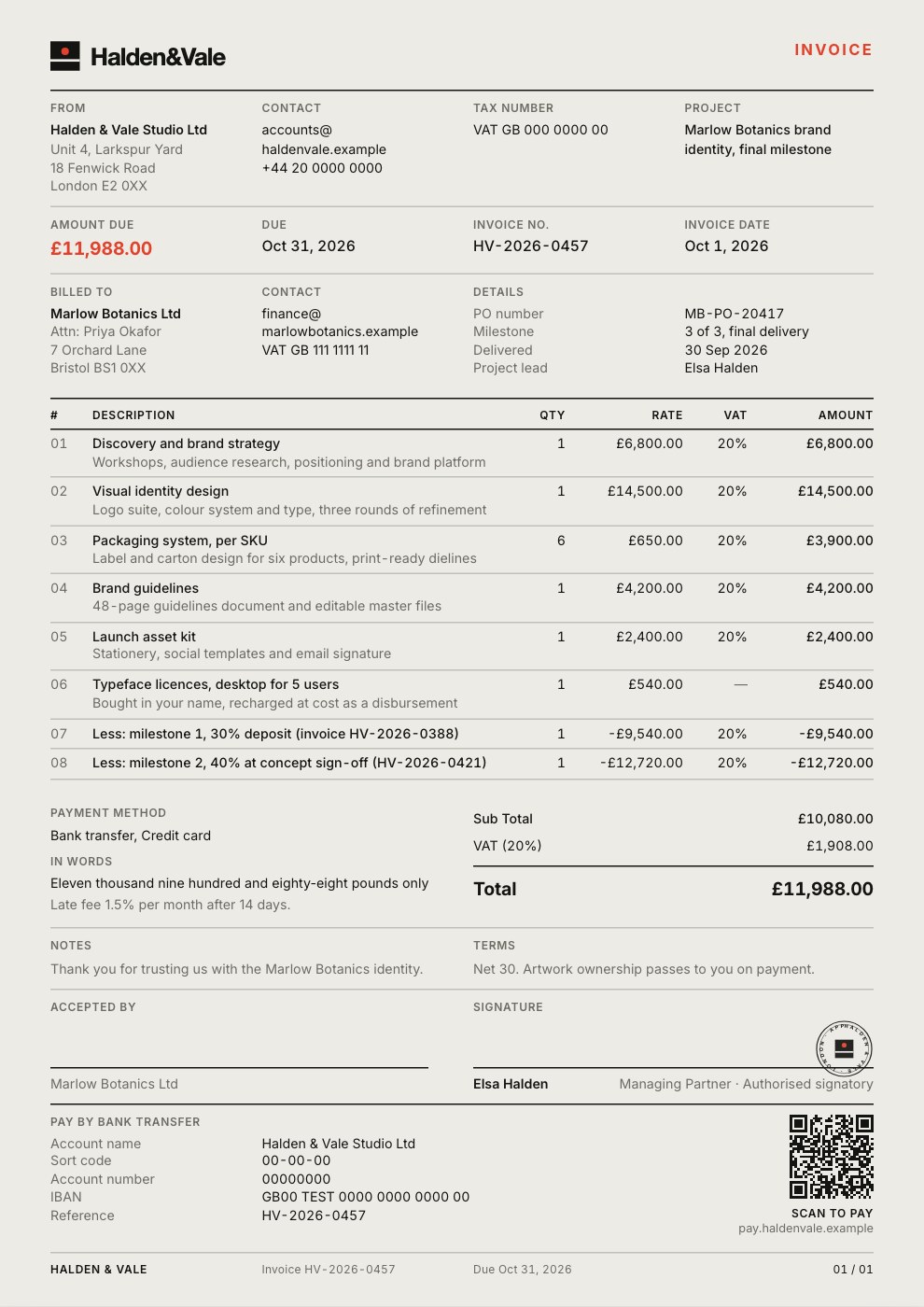
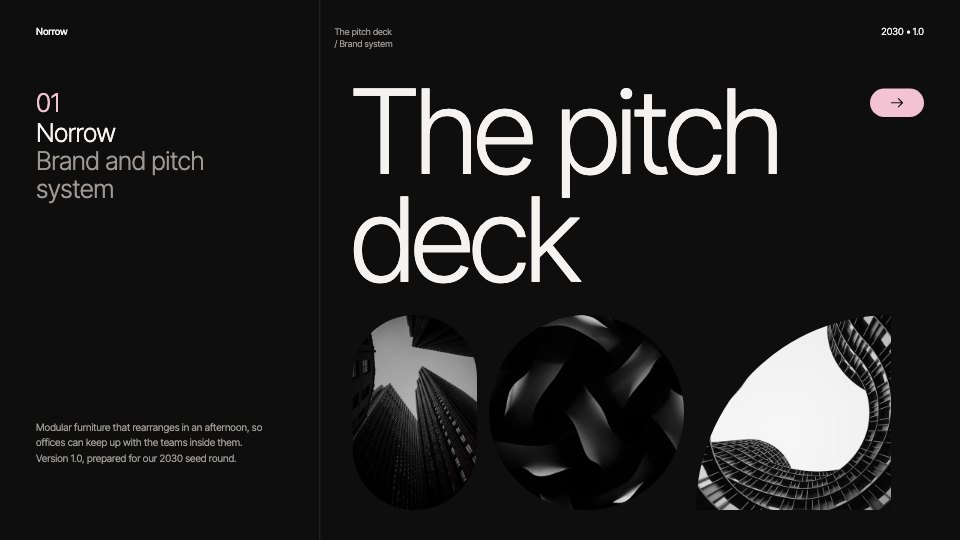
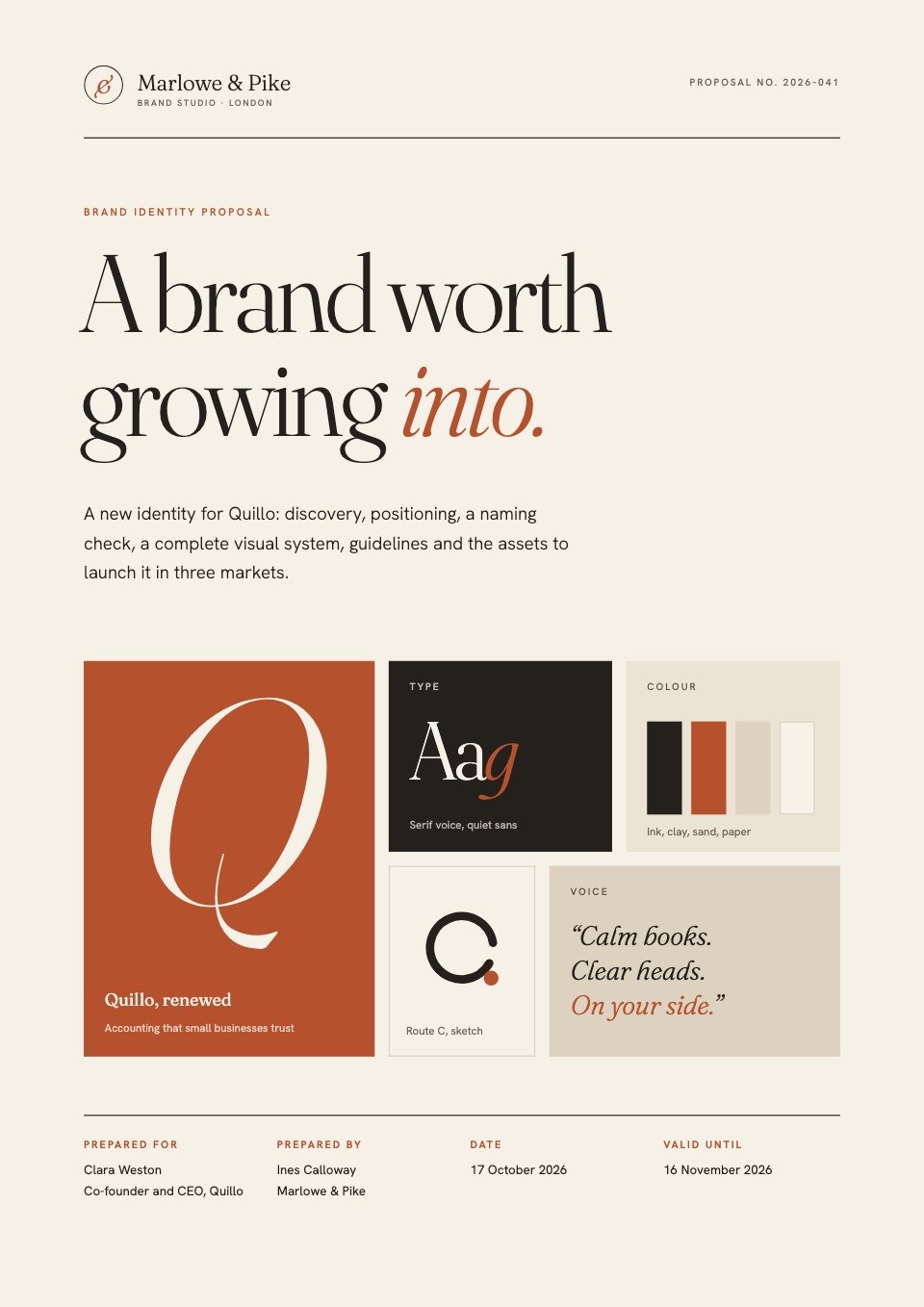
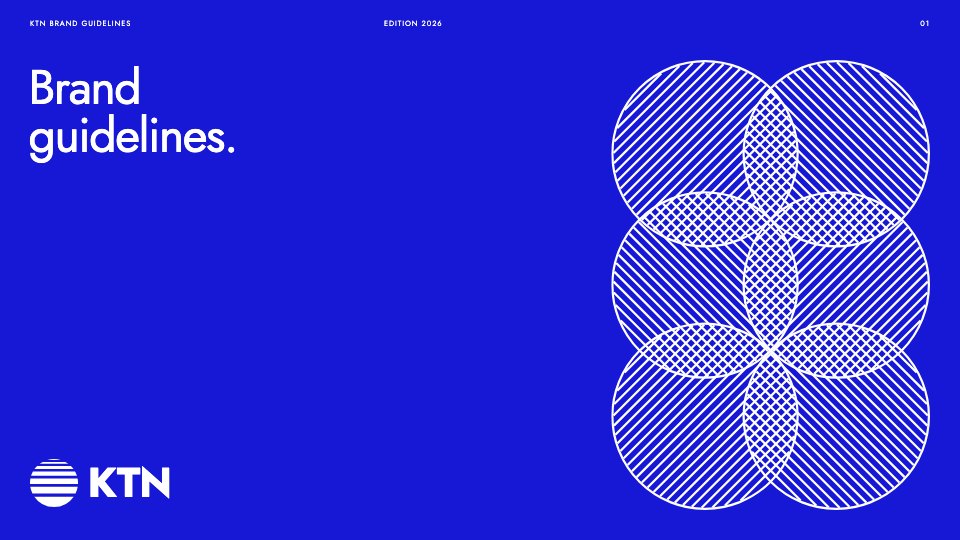
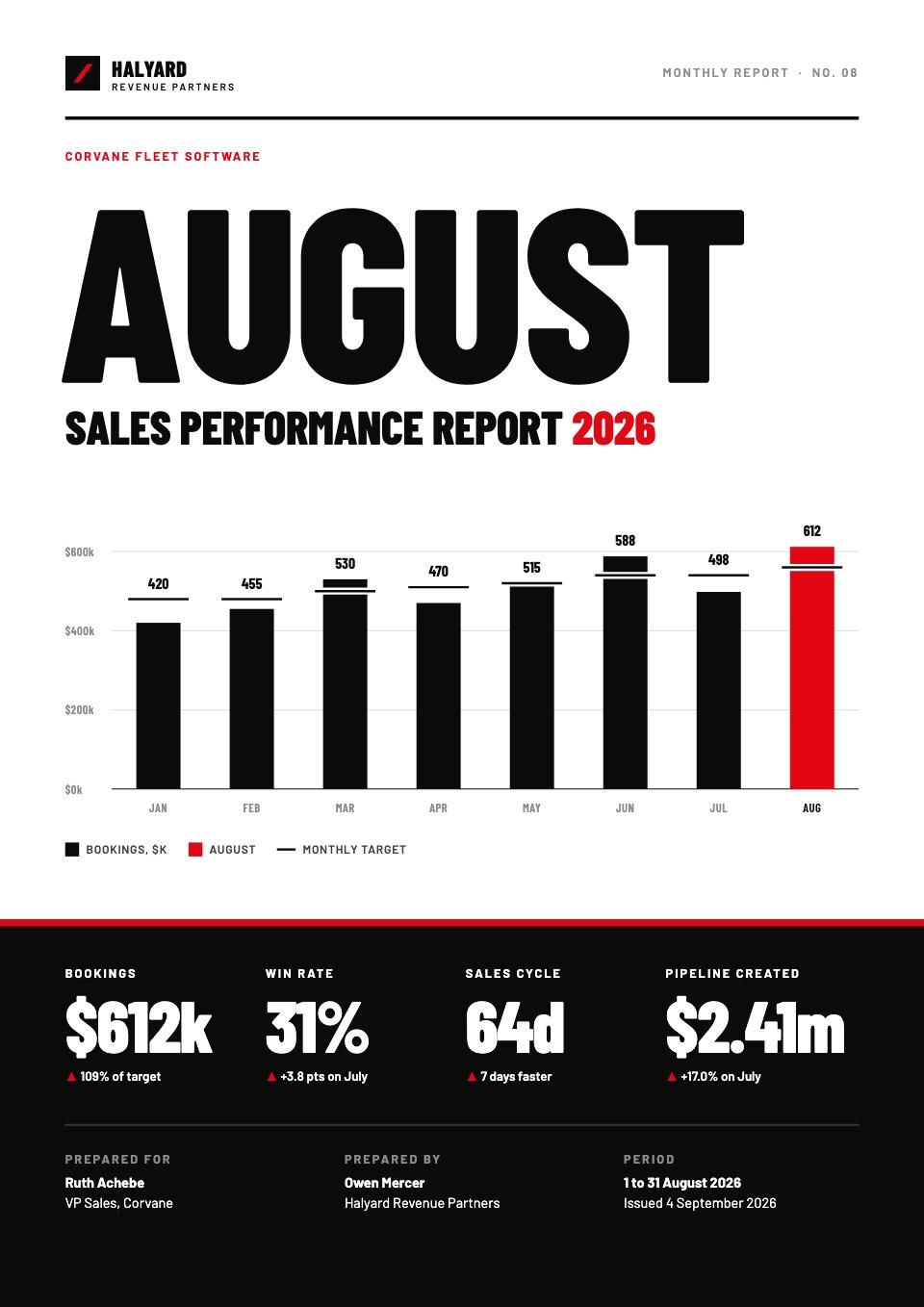
A useful agency brand kit is more than a logo folder. It gives your team practical rules for color, type, imagery, layout, and voice so proposals, reports, decks, contracts, and portals feel like one firm.













Put this into practice
Describe what you’re working on and Docsiv AI drafts it in your brand, ready to edit, share and send.