

The Docsiv blog
Practical writing on proposals, reports, decks and contracts, honest comparisons of the tools agencies use, and where AI earns a place in client work.
AI workflows
17 articles
AI literacy for agencies in 2026: turn policy into practice
AI literacy is not a slide in onboarding. Turn the 2026 regulatory moment into a practical agency habit: know the tools, the limits, the approvals, and the evidence trail.Agentic AI for agencies: permissions matter more than prompts
When AI can call tools and act on files, the agency’s real control surface is permission design. Use this practical model for scopes, approvals, logs, and safe failure.AI vendor due diligence for agencies: 12 questions before upload
Before client material enters an AI tool, ask 12 practical questions about data use, retention, access, deletion, subprocessors, security, and human oversight.AI review checklist for client deliverables: seven gates before send
AI can shorten the first draft. This seven-gate review checklist keeps client deliverables accurate, useful, private, and owned by a human before they leave the agency.AI for client documents: where human review belongs
AI can make client documents faster to start, but speed does not remove responsibility. Use this review map to decide what the model can draft and what a person must own.AI document automation for agencies: what to automate first
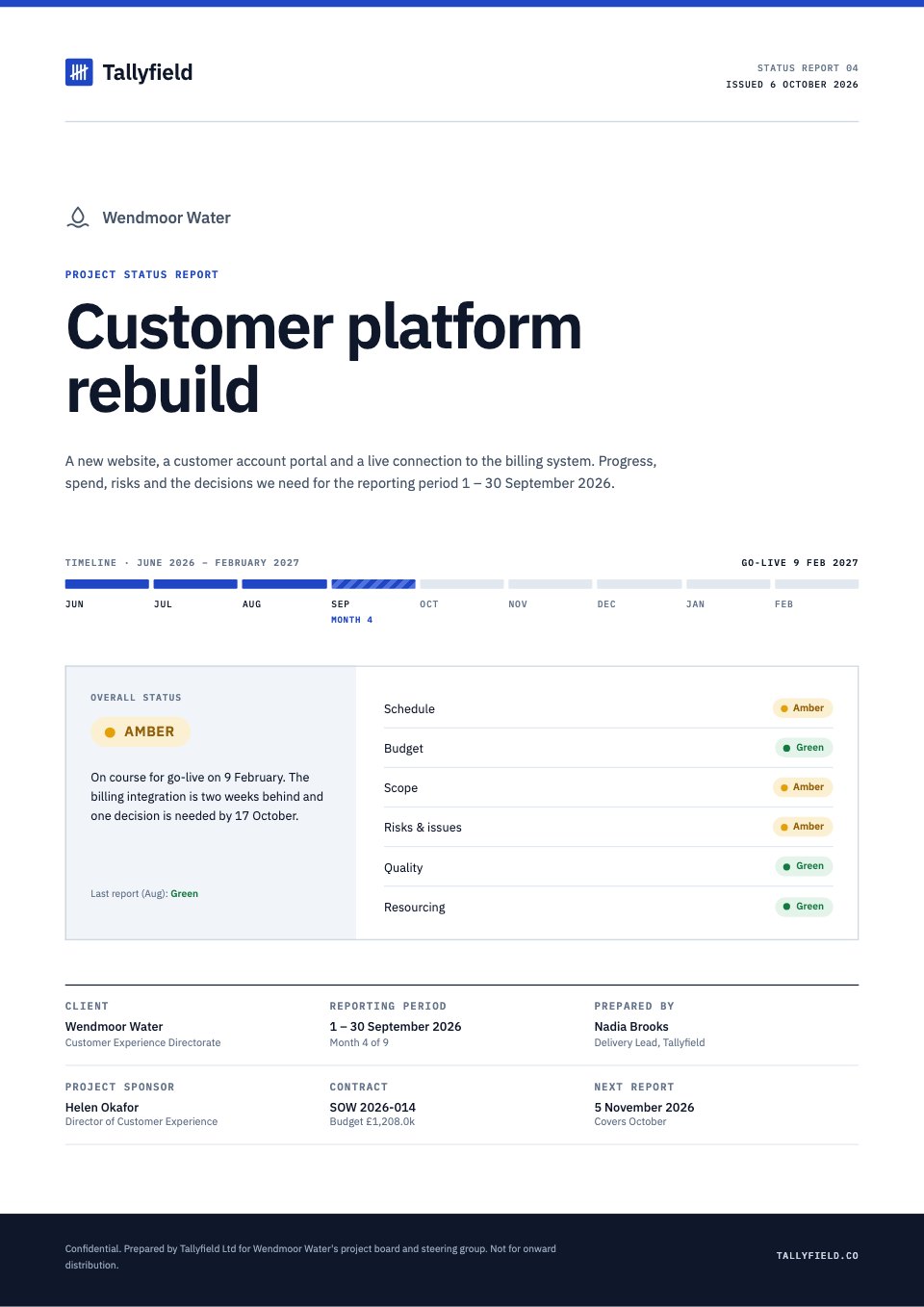
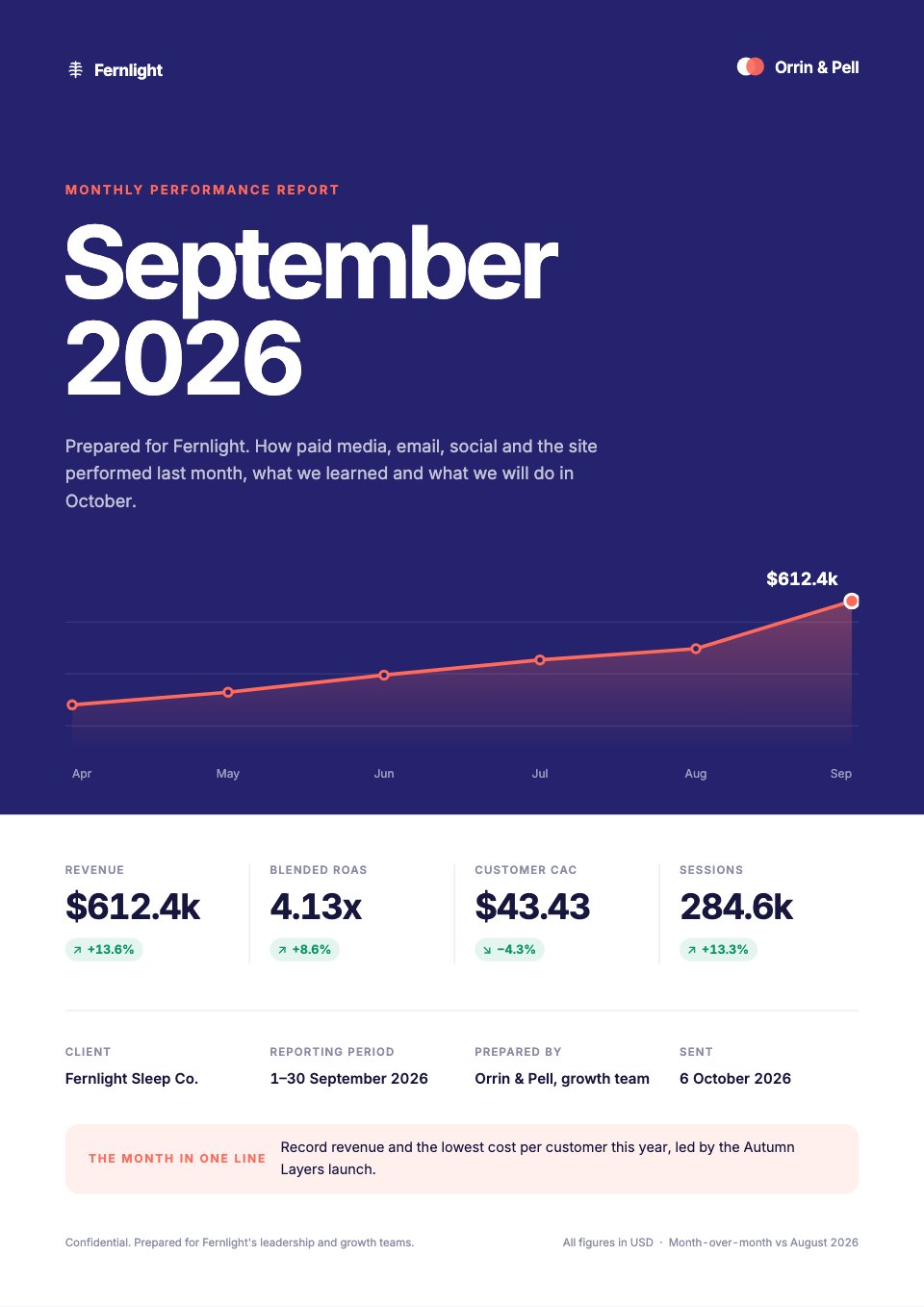
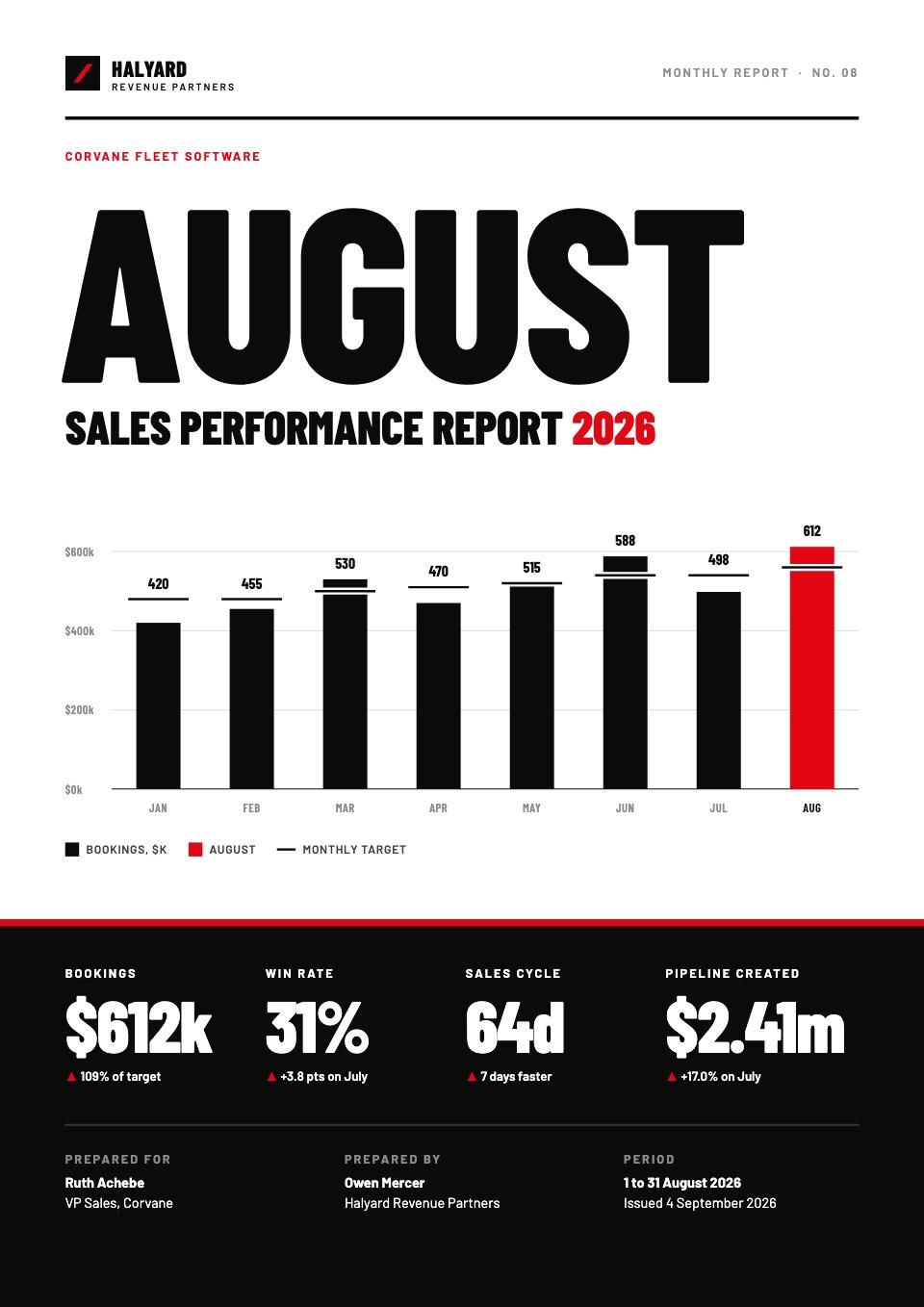
AI document automation works best when it removes repeatable work without hiding judgment. Use this risk-based framework to decide what AI should draft, transform, check, or leave to a person.AI report workflow for agencies: draft, explain, and deliver
AI report tools and dashboard platforms solve different parts of client reporting. Compare AgencyAnalytics, Looker Studio, and Docsiv on data connections, narrative, branding, sharing, and delivery.AI slide generator for agencies: create, brand, and deliver decks
AI slide tools can get an agency from an idea to a deck quickly. The better question is what happens after the slides exist: branding, client review, tracking, approval, and delivery.AI document workflow for agencies: where AI helps and where humans stay in control
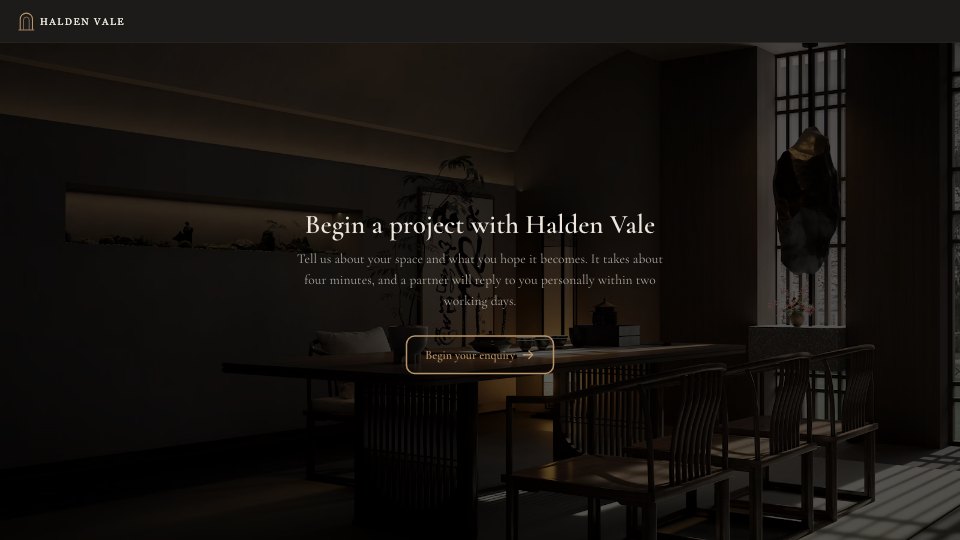
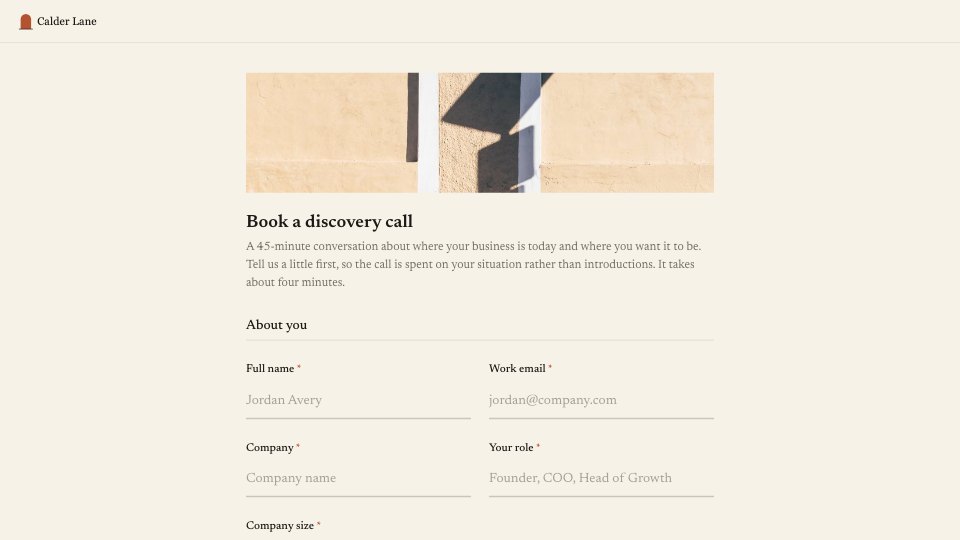
An AI document workflow can turn notes, files, and a clear brief into a useful first draft. The quality comes from the surrounding process: context, brand rules, review checkpoints, and a human decision before anything ships.Client intake form questions: what agencies should ask before the kickoff
The right client intake form questions do more than collect contact details. They reveal goals, constraints, stakeholders, access needs, and approval rules before those gaps become rework.Agency workflow automation: a practical system from lead to delivery
Agency workflow automation works best when it moves information between clear stages instead of adding more notifications. Here is a practical lead-to-delivery system, including what to automate and what should stay human.The intake form is your real proposal brief
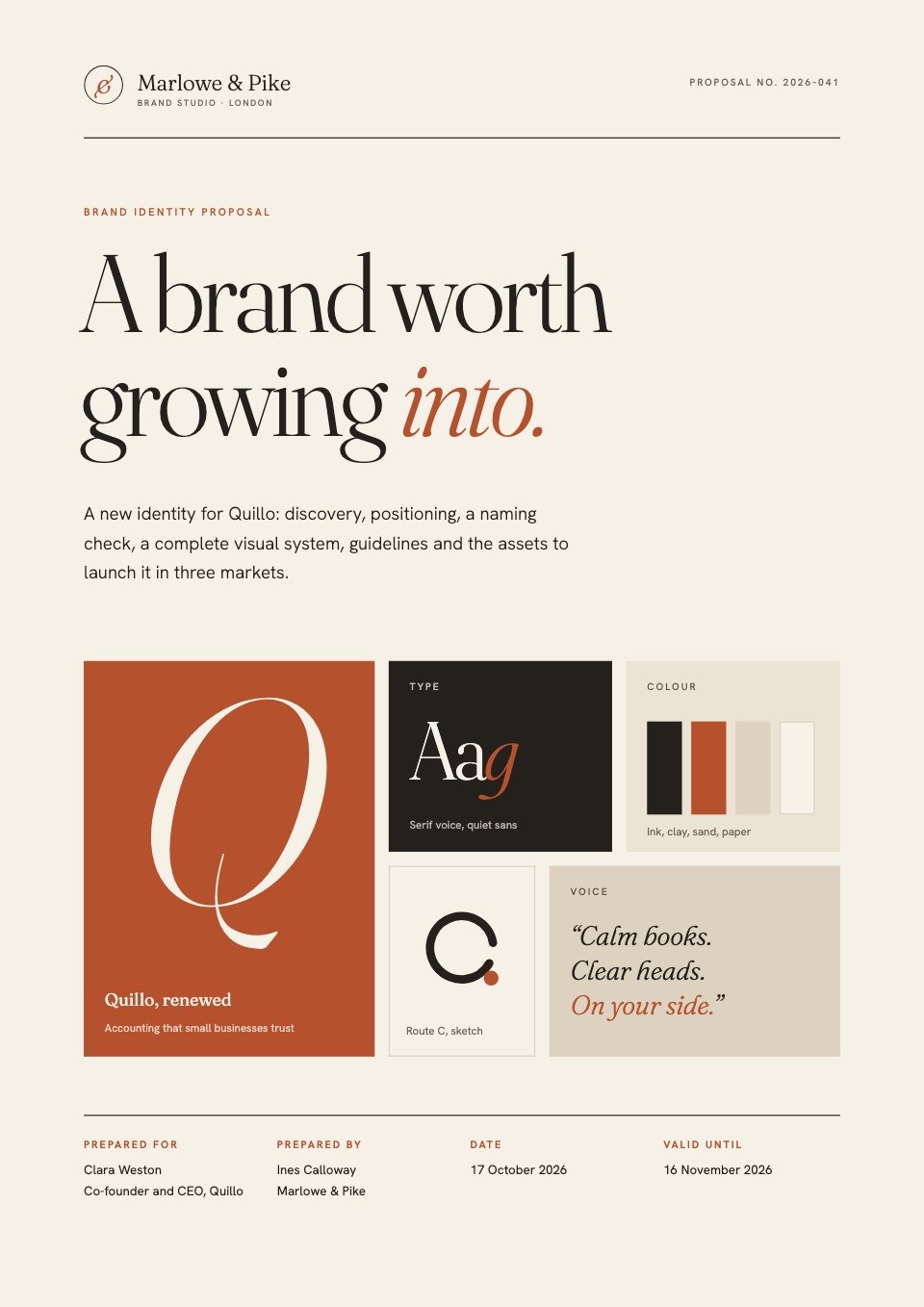
Most agencies treat the intake form as a contact tool. The shops winning their week treat it as the brief that powers everything downstream, including the AI draft.Proposal templates for agencies: 7 sections clients actually read
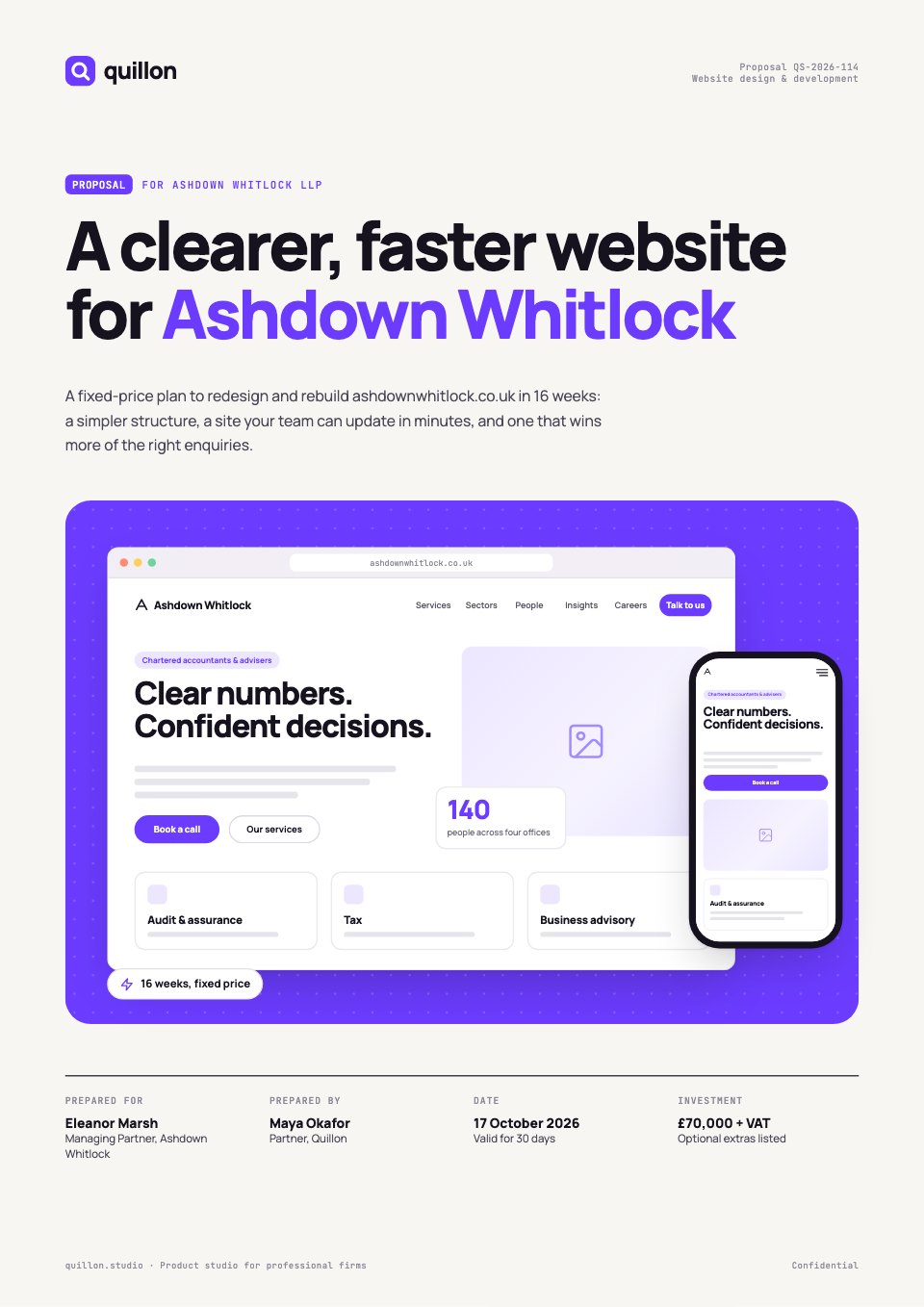
Most agency proposals look like 14 sections of confidence. Clients read 7. Here is what each one needs to do, in the order a buyer actually wants to find them.AI report generator for agencies: how to ship monthly reports clients actually open
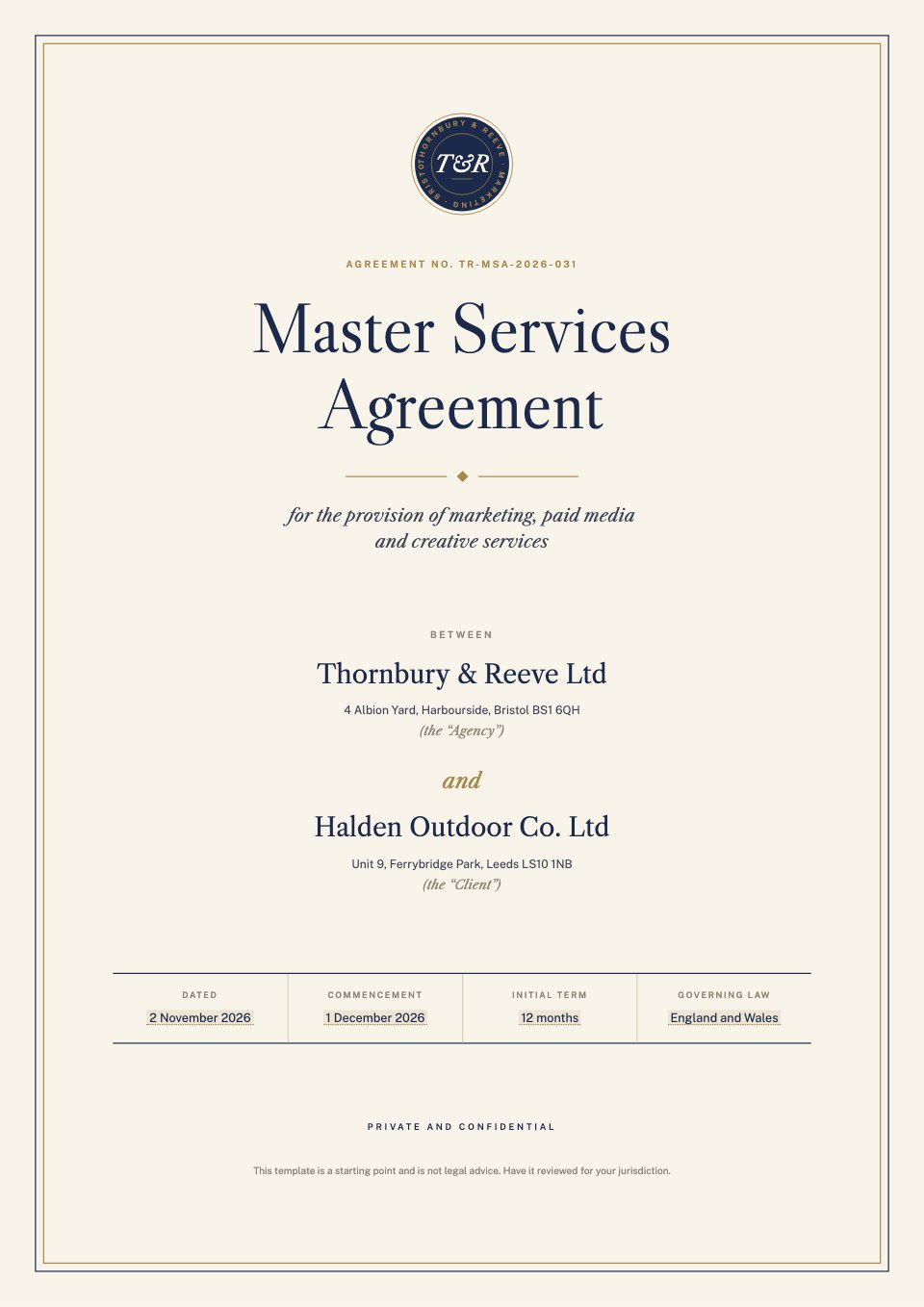
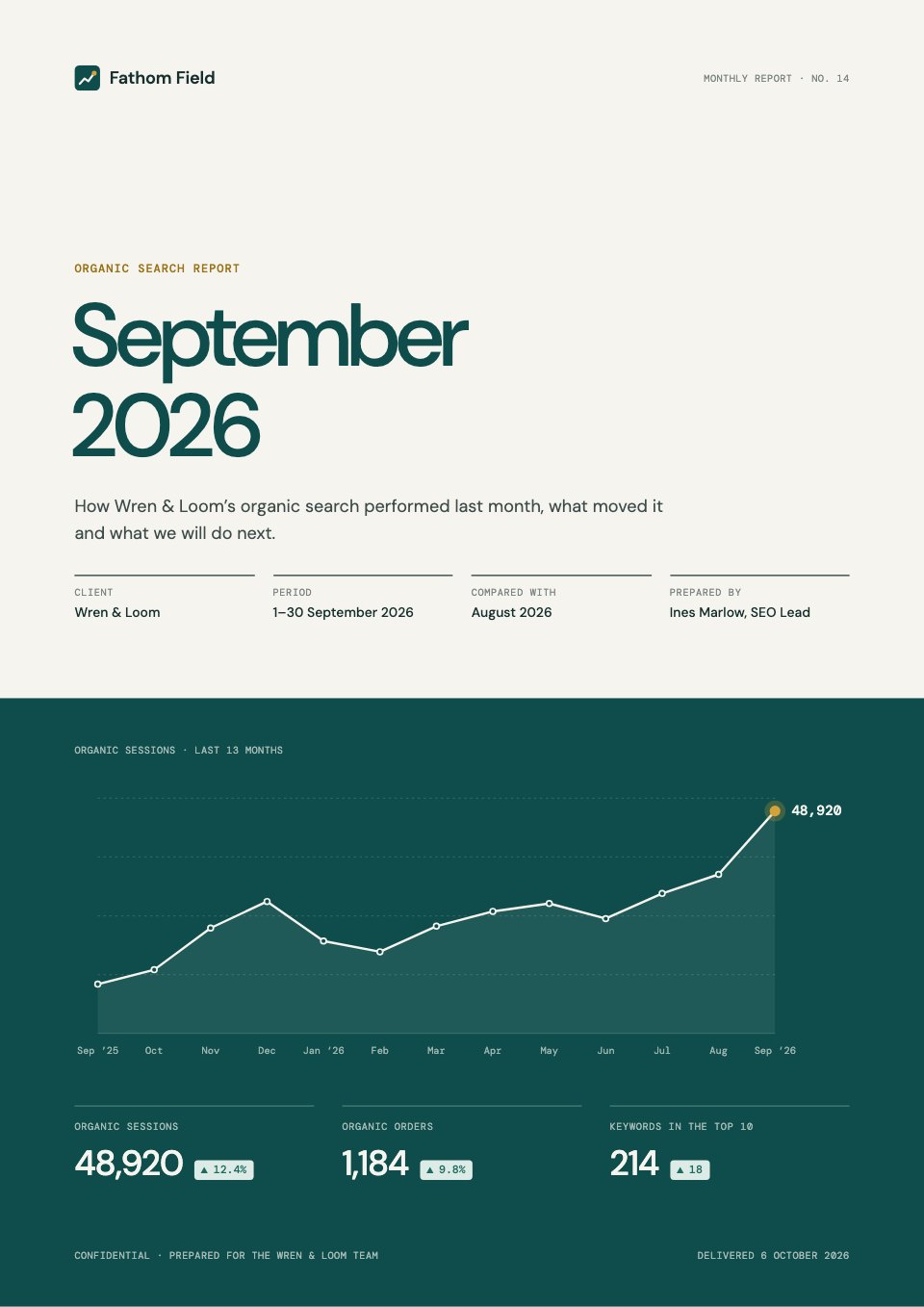
An AI report generator can draft a 12-page client report in five minutes. The harder problem is making sure it gets read. Here is what good ones do, and where most fall down.AI proposal software, explained: how it actually saves agencies time
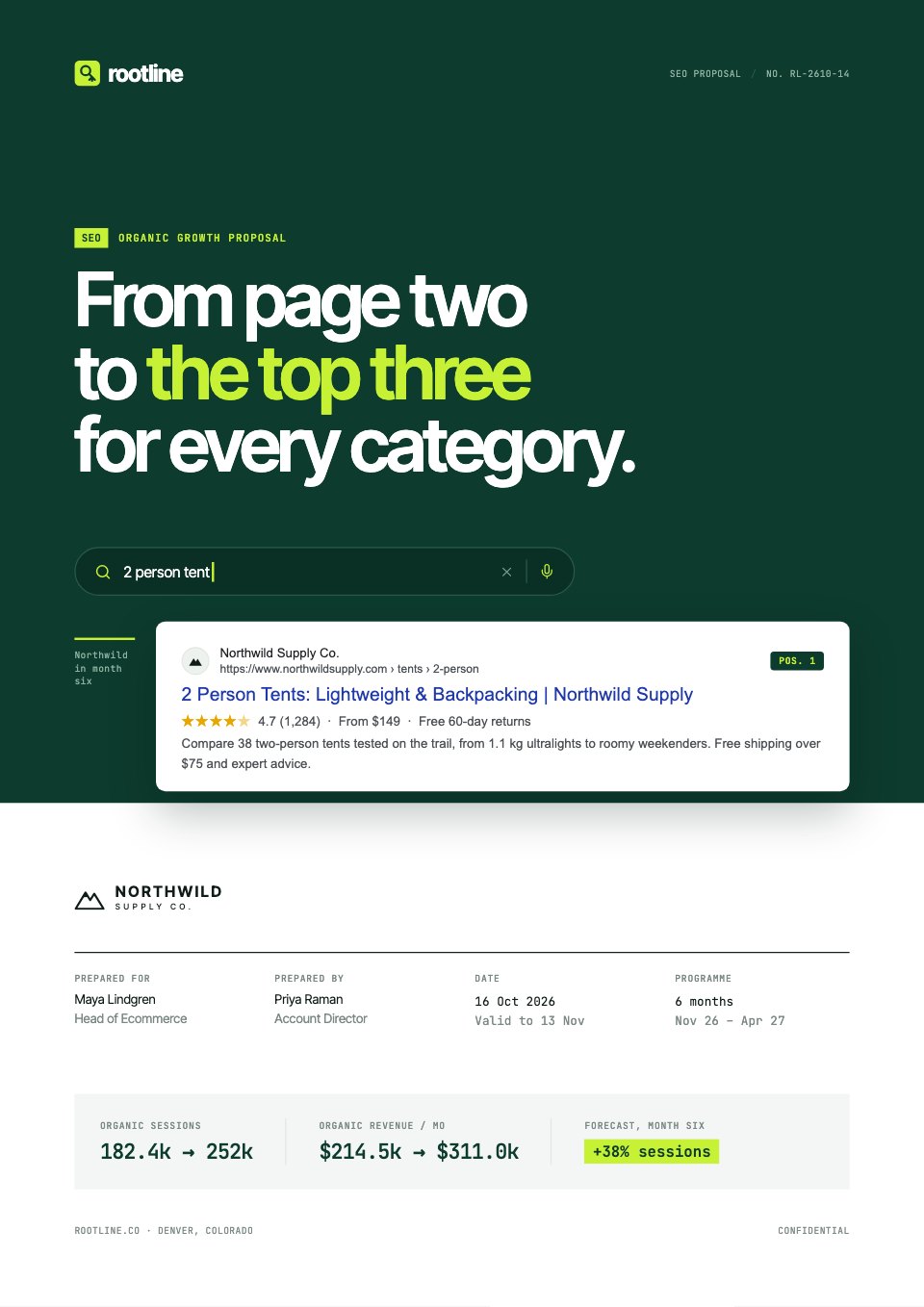
AI proposal software is the difference between starting a proposal at midnight and starting it at 4pm. A practical look at what it should do for an agency, what to ignore, and where the real time savings live.Your buyer's AI is reading your proposal first
More buyers are pasting your proposal into a chatbot before they read it themselves. That changes a few quiet things about how you should write one.Teach AI your voice before you ship
If the draft sounds like generic LinkedIn, the problem is usually the brief, not the model. A dead-simple framework so proposals and briefs still sound like your shop.








Put the ideas to work
Describe the proposal, report or deck you’re writing next, and Docsiv AI drafts it in your brand, ready to edit and share.