

How to write an SEO proposal clients say yes to (with a free template)
An SEO proposal wins when it shows the problem, the plan and the proof, without promising rankings. Here’s the structure, how to price it, and the mistakes that lose the deal.
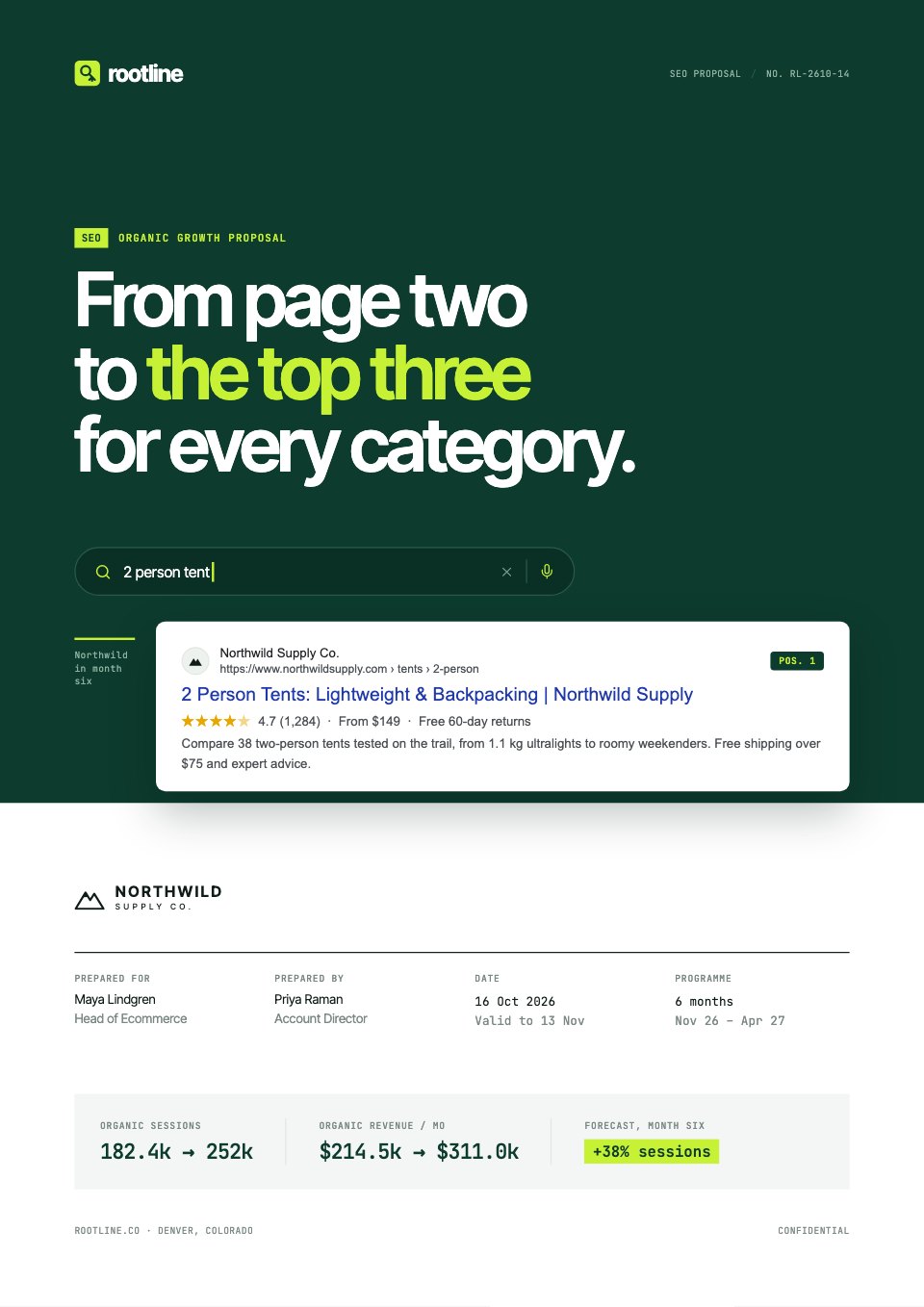

A winning SEO proposal does three things: it shows you understand the client’s situation, it lays out a plan they can picture, and it makes the next step easy. It doesn’t promise rankings. Search results change for reasons no one controls, and a client who has been promised a position will hold you to it.
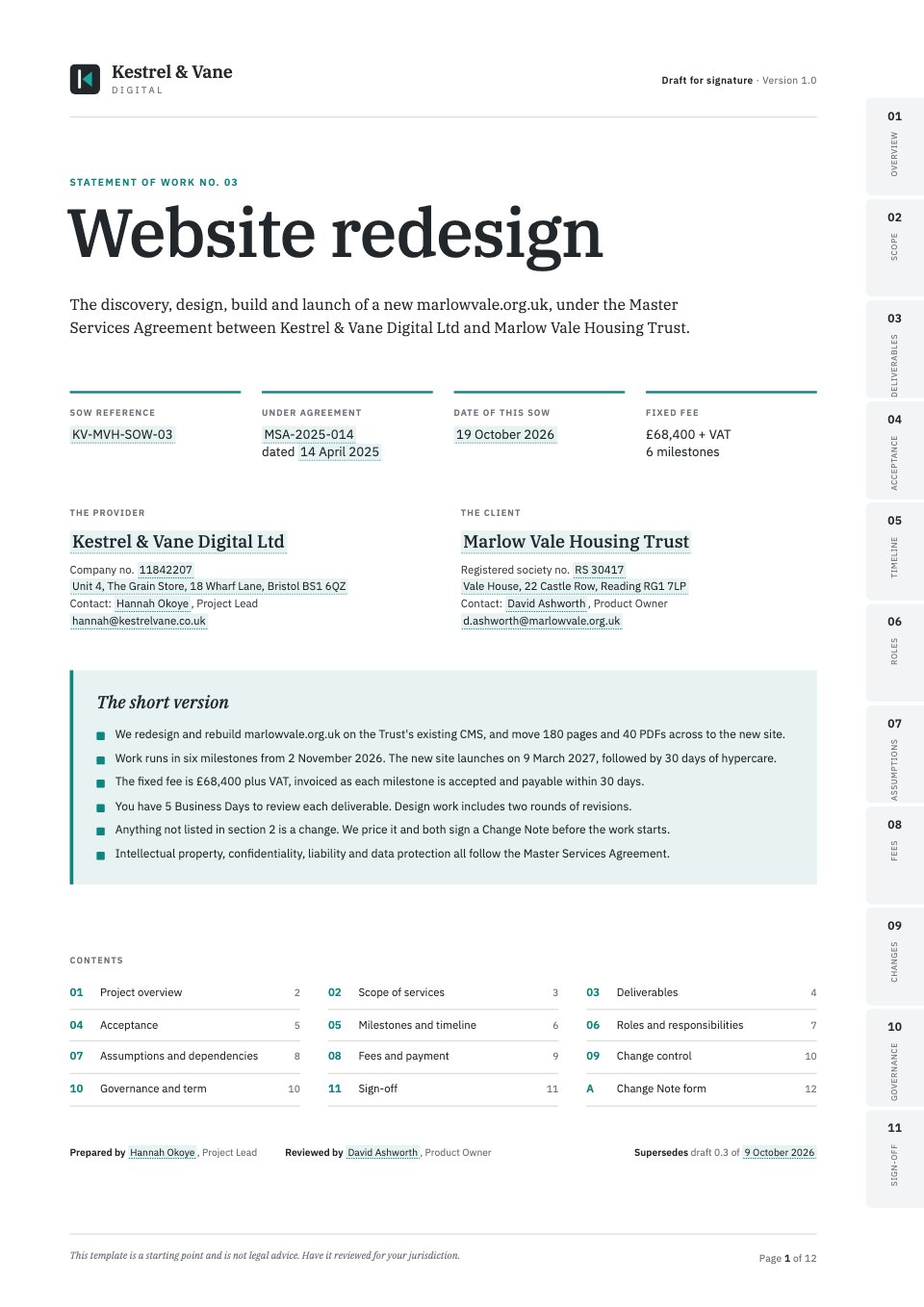
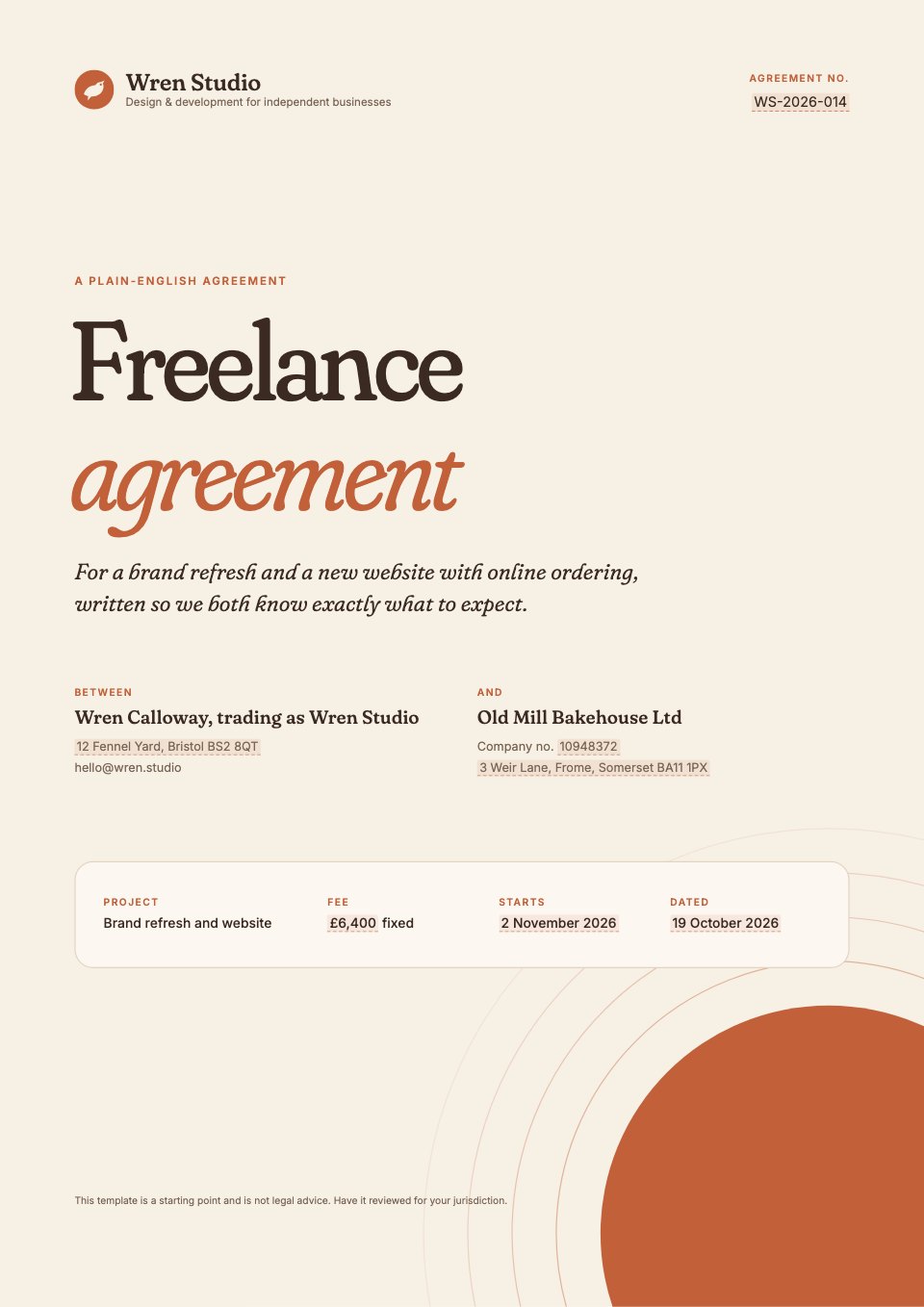
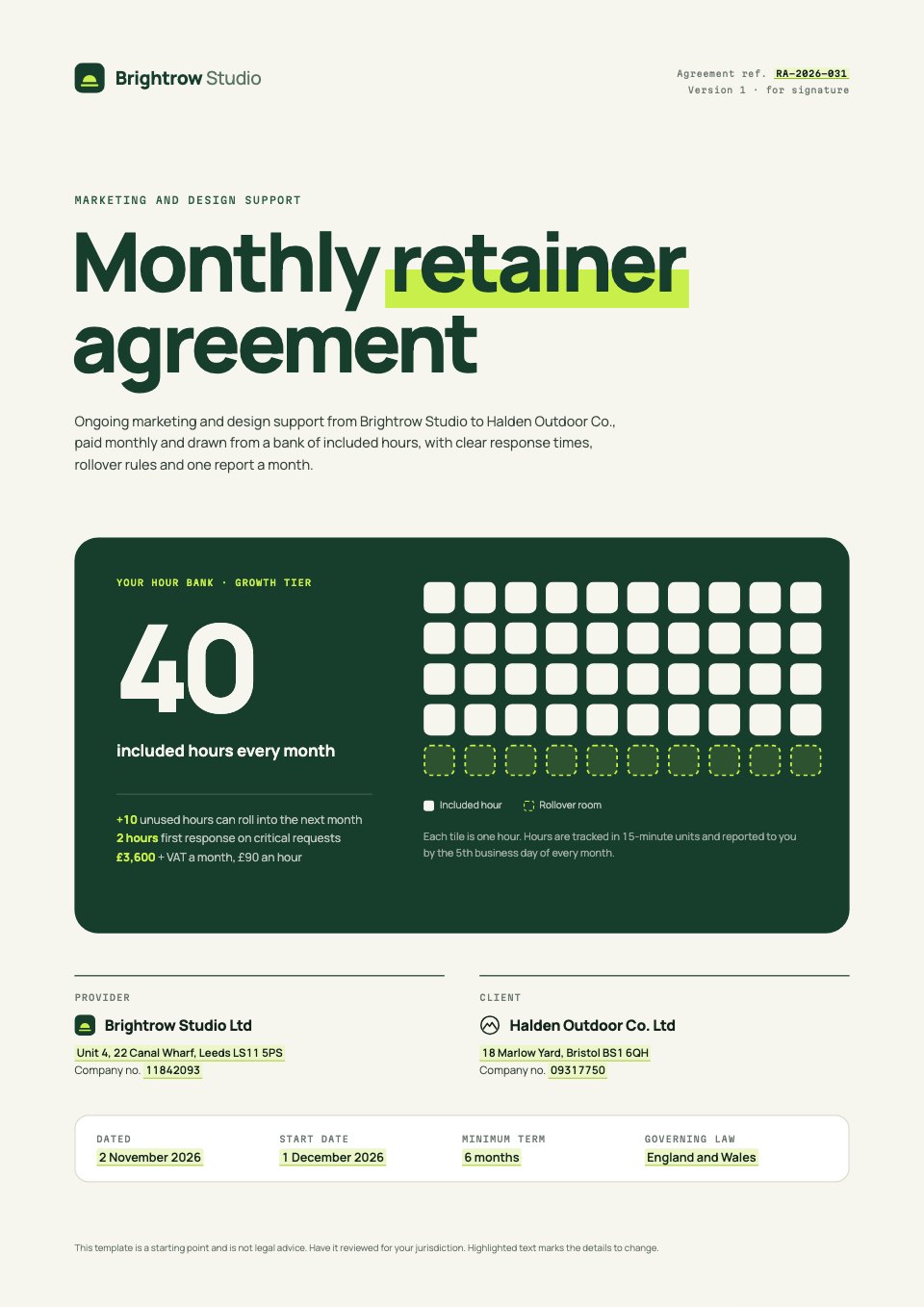
Start from a template: open the free SEO proposal template and replace the example with your client’s details, or use the proposal maker and let Docsiv AI draft it from your brief.
The structure that works
Follow this order. Each section answers a question the buyer is asking at that point.
1. Cover: the client and the outcome
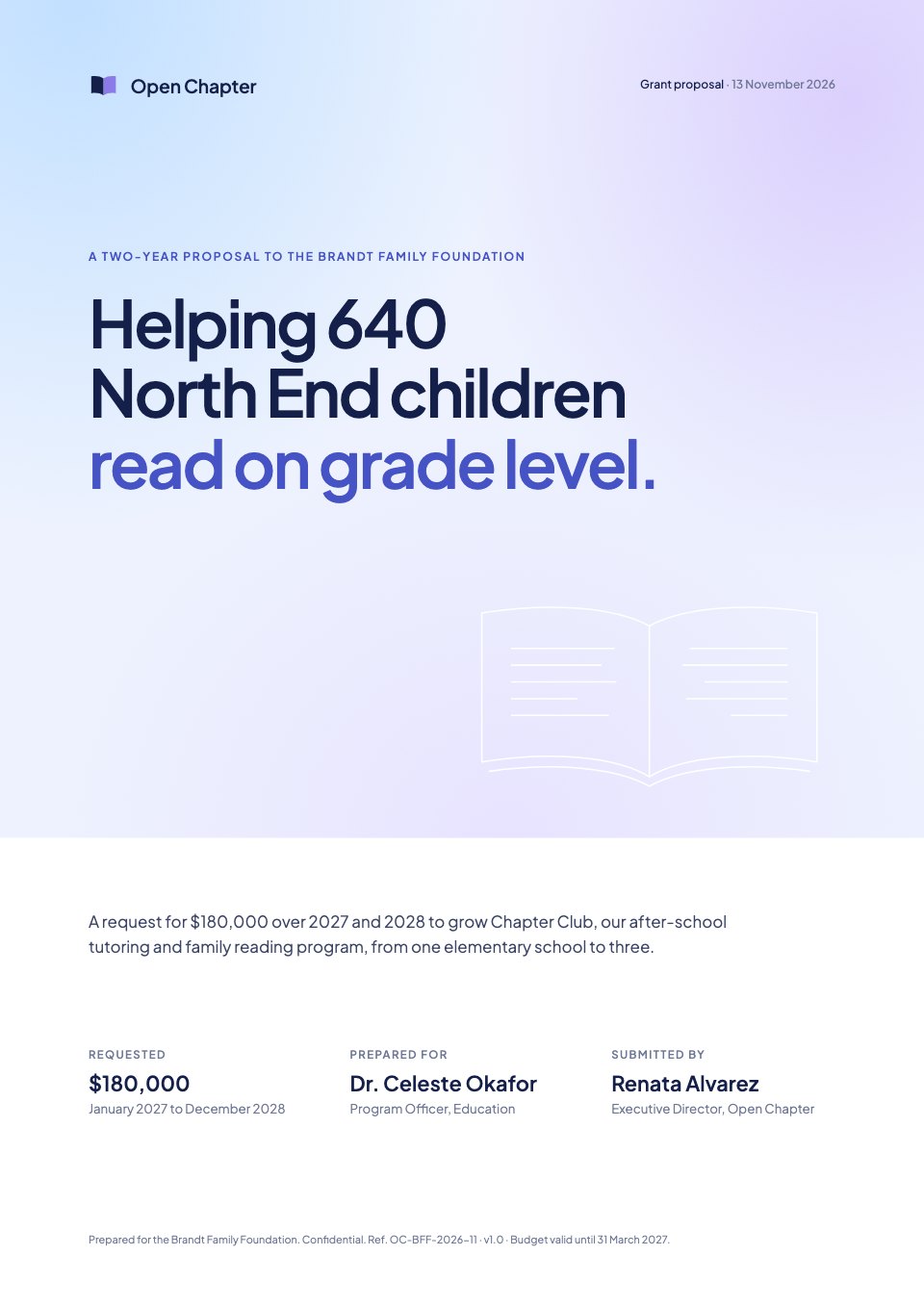
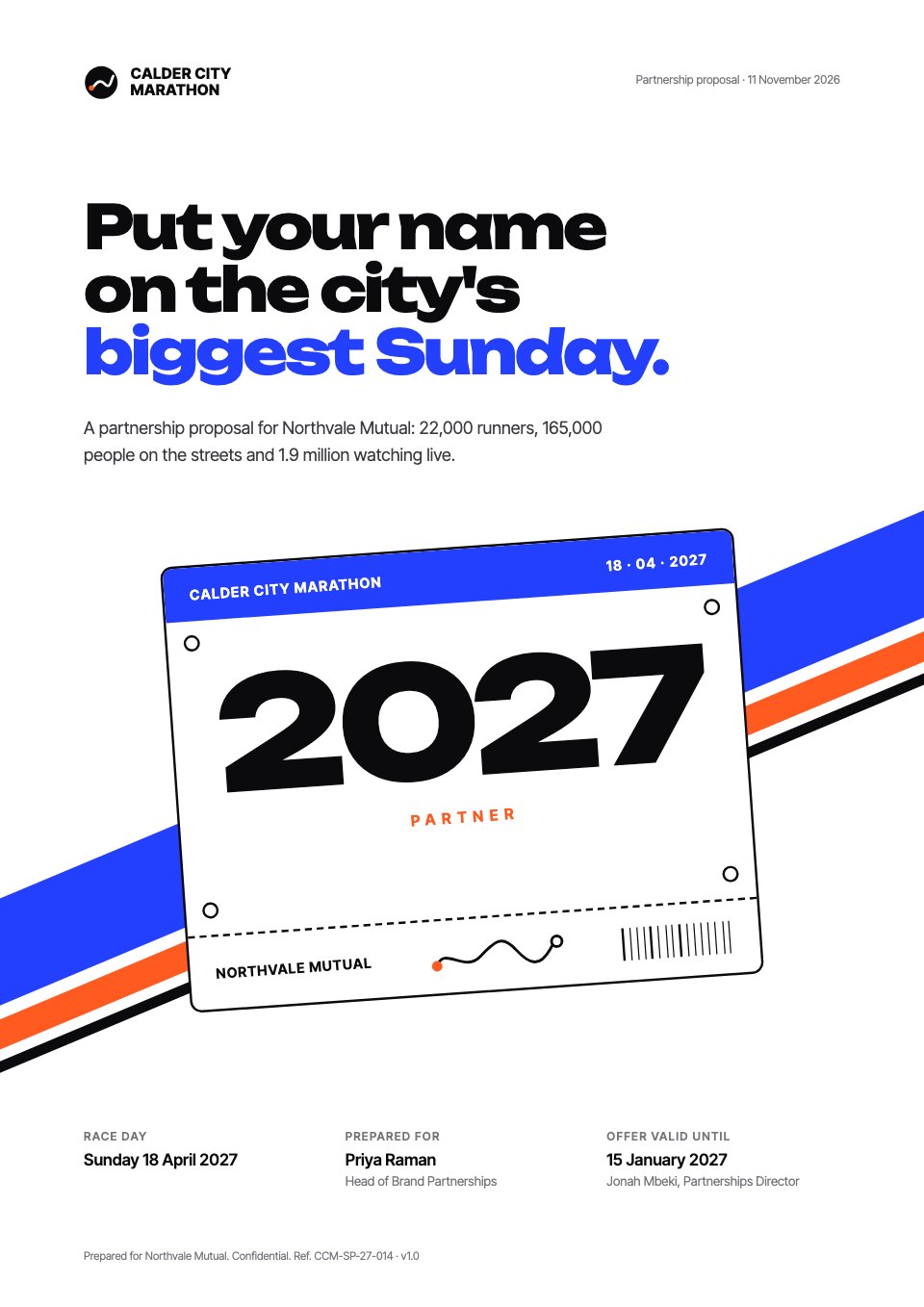
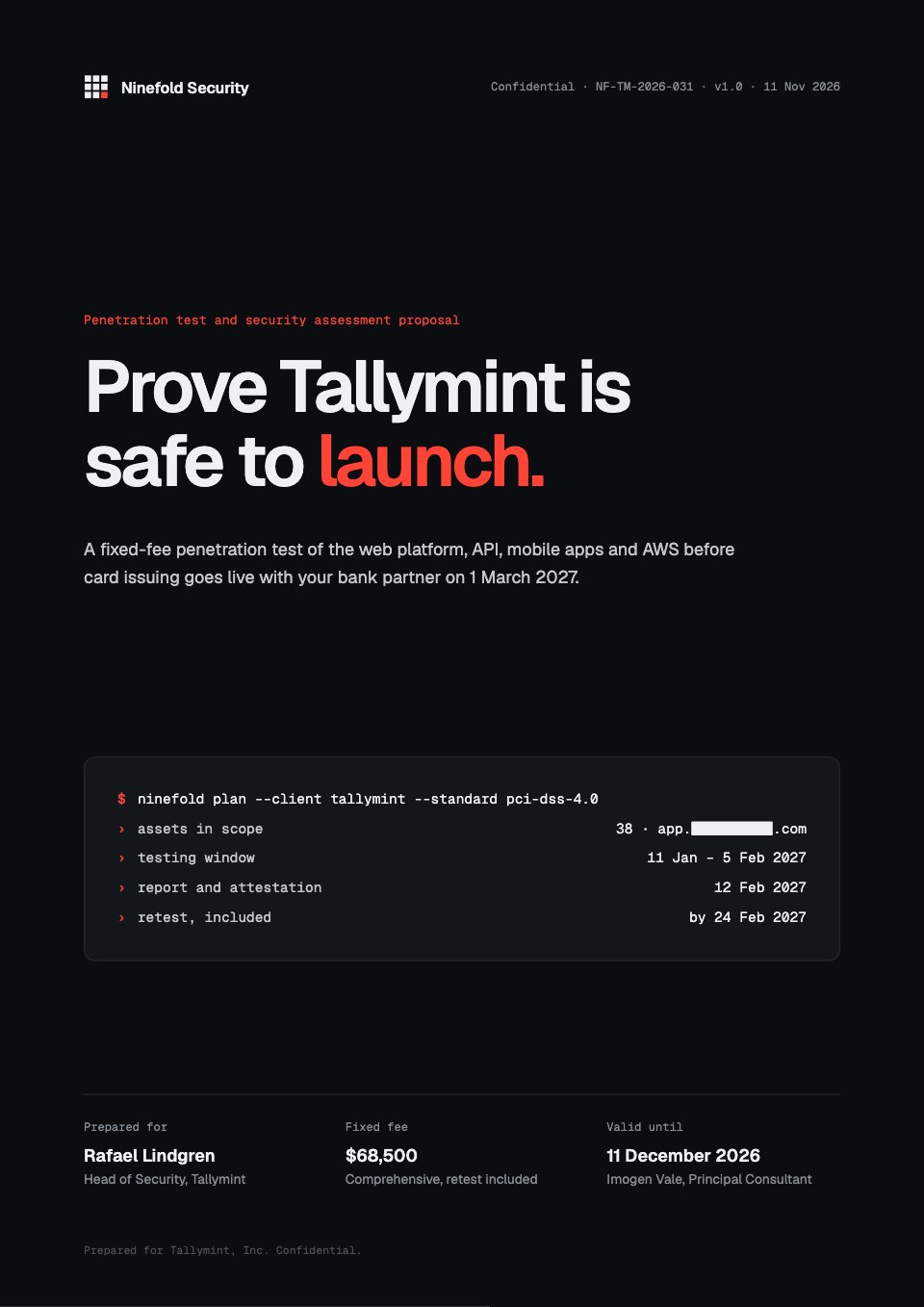
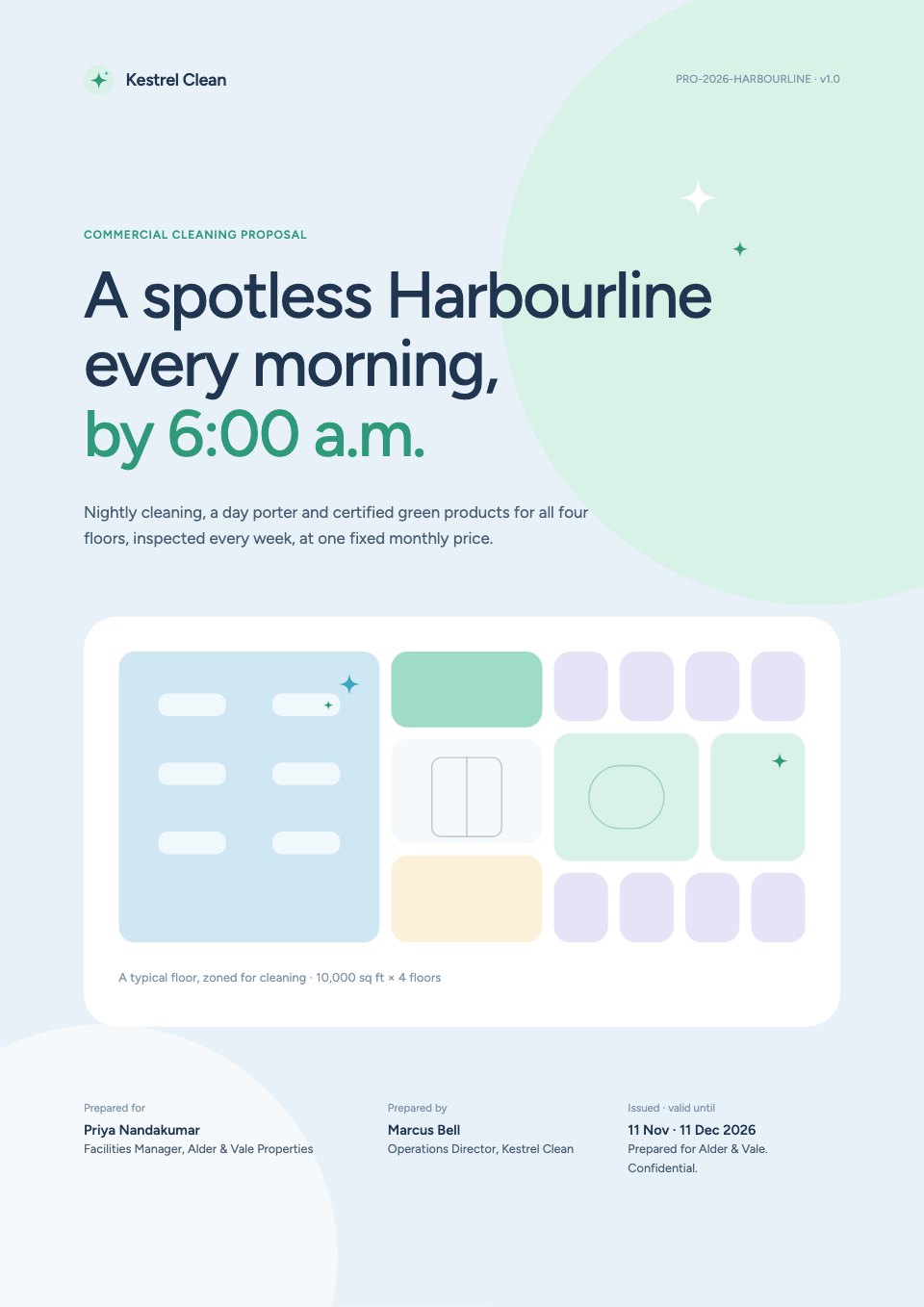
Name the client and the result you’re proposing to work towards, in their words. “A plan to grow qualified enquiries from organic search for Northline Architects” beats “SEO proposal”.
2. Where they are now
Summarise your audit: a few findings, not forty. Show the client’s current picture in plain terms, such as what they rank for, what’s blocking them and where competitors are ahead. Use their data where you have it and label anything you’ve estimated. Three clear findings with evidence persuade more than a wall of metrics.
3. Goals and how you’ll measure them
Pick goals the client cares about: enquiries, leads, sales, visibility for the pages that matter. Agree the baseline before you start. If you can’t measure it, you can’t prove you improved it.
4. Scope: what you’ll do
Break the work into clear parts, for example:
- Technical: crawl and indexing fixes, speed, structured data
- On-page: titles, headings, content updates for priority pages
- Content: new pages or articles aimed at specific searches
- Authority: the plan for earning links and mentions
- Reporting: what you’ll send and how often
Say what’s not included as well. Scope creep starts with silence.
5. Timeline
Show what happens in month one, months two and three, and ongoing. SEO takes time, and saying so honestly builds trust. Name when the client can expect to see early signs, and what those signs are.
6. Pricing
Present options. Three common shapes:
| Model | Works when | Watch out for |
|---|---|---|
| Monthly retainer | Ongoing work, steady output | Needs a clear monthly scope |
| Fixed-price project | A defined audit or fix | Needs a firm boundary on revisions |
| Retainer plus a project | A heavy first quarter, then maintenance | Make the switch point explicit |
Don’t bury the price. Buyers look for it first anyway, so put a short summary of the options near the front and the detail here. Your pricing page is buried on page 9. Move it. makes the case. Give payment terms and what happens if the client wants to stop.
7. Proof
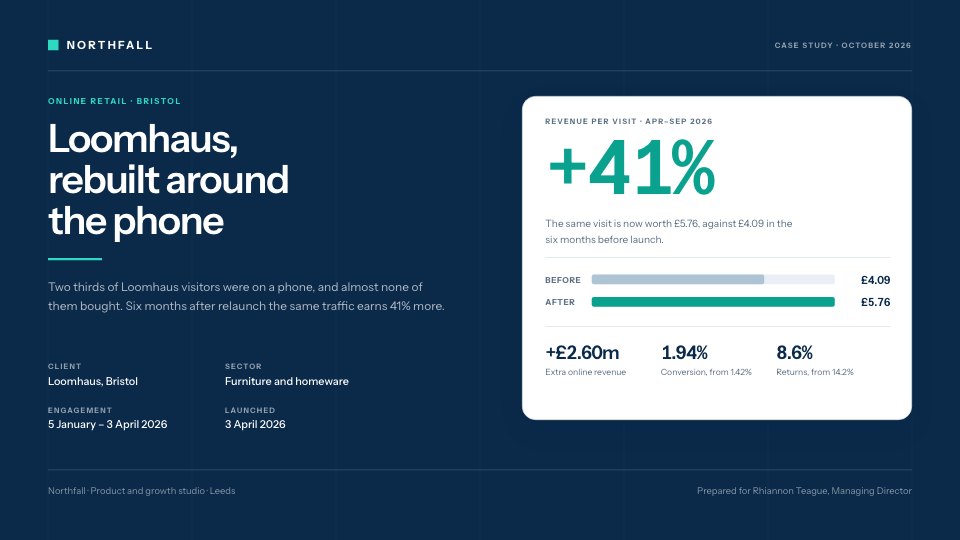
One or two short case studies, with what you did and what changed, in numbers you can stand behind. If you don’t have a case study yet, show your process and a sample of the audit.
8. Terms and the next step
Keep the terms short and plain, and make accepting easy: a link, a signature block, a date by which the offer stands. If the client has to ask “what do I do now?”, you’ve lost a day.
What to leave out
- Ranking guarantees. Offer targets and a plan, not a promise.
- Jargon. Explain “canonical” and “crawl budget” in a sentence, or skip them.
- A forty-page audit pasted in. Put it in an appendix.
- A generic document. If you changed only the client’s name, they can tell.
Make it easy to say yes
Send it as a link instead of a heavy attachment, so the client always has the latest version (on Pro you can also see who read it). You can add signature blocks to a proposal in Docsiv, and sending it out for e-signature is on Pro and Team. For the contract that follows, see how to write a statement of work, and for the wider anatomy of a proposal, agency proposal template sections.
Related
Common questions.
Short answers to what people ask most about this topic.
What should an SEO proposal include?
A cover naming the client and the outcome, a summary of their current situation, goals and how they’ll be measured, the scope of work, a timeline, pricing options, proof of past results, and terms with a clear next step.
Should an SEO proposal guarantee rankings?
No. Search results depend on factors outside your control, so offer a plan, targets and measurement, not a guaranteed position.
How should I price an SEO proposal?
Common models are a monthly retainer, a fixed-price project, or a project followed by a retainer. Show options, tie the price to the scope and say what’s included and excluded.
How long should an SEO proposal be?
As long as it takes to be clear: usually a handful of pages. Put detailed audit data in an appendix.
Can the client sign it online?
You can add signature blocks to a Docsiv proposal on any plan. Sending it for e-signature, with a private signing link for each person, is on Pro and Team.
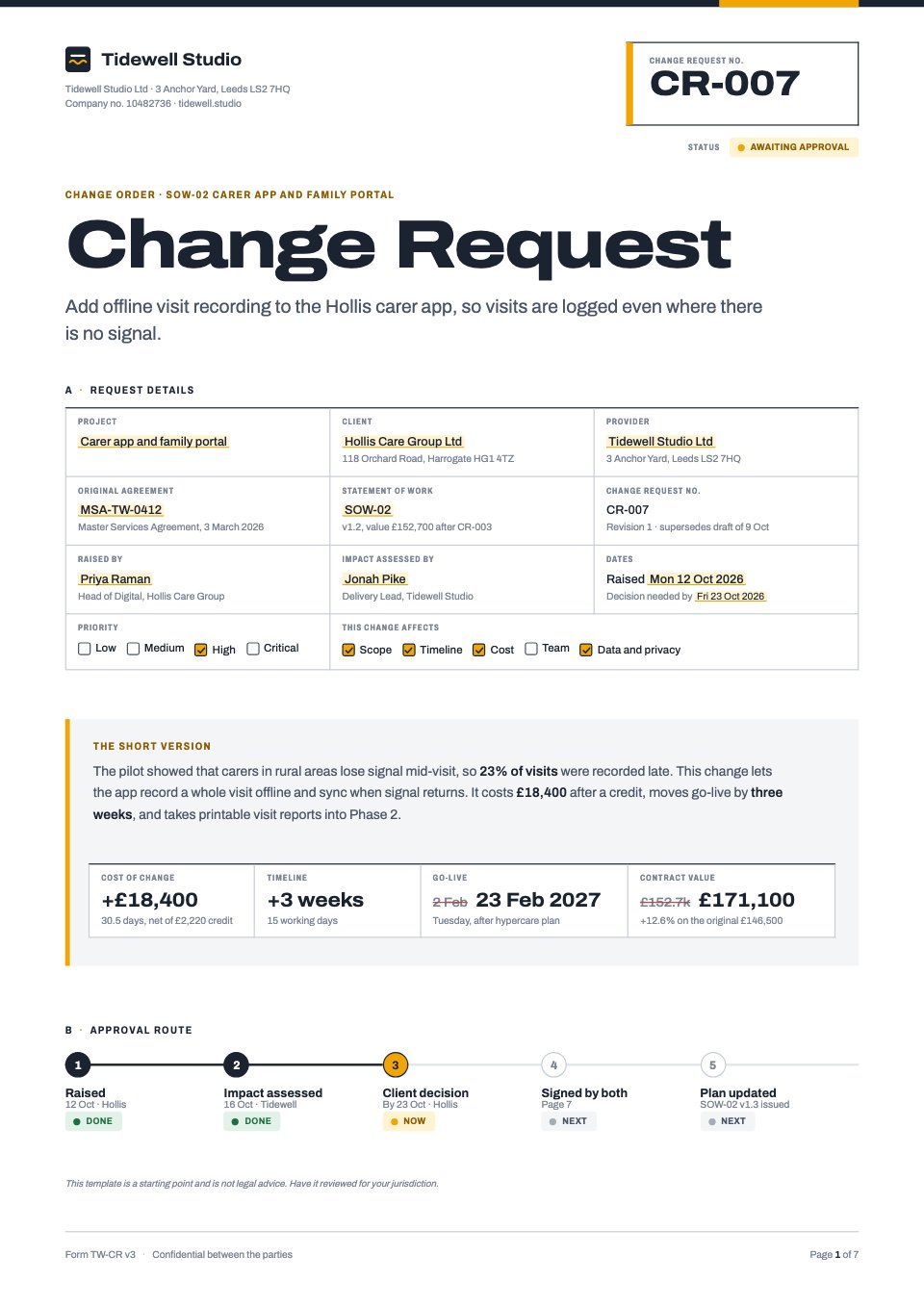
Change requests without the scope fight: a workflow that works
A change request is not a confrontation. It is a decision about outcome, scope, time, cost, and ownership. Use this workflow to make the trade-off visible before work starts.Organization structured data for agencies: what it actually does
Organization markup can help Google understand and disambiguate an agency, but it cannot repair a vague website. Here is what to mark up, where to place it, and what to fix first.Google AI search for agency websites: what to fix first
Google’s guidance is refreshingly simple: there is no secret AI-search markup. Make your agency site crawlable, useful, clear, and easy for people and systems to understand.












Put this into practice
Describe what you’re working on and Docsiv AI drafts it in your brand, ready to edit, share and send.